A strategy to ensure buyers arrive informed and ready to talk, instead of skipping Waada during their online research.
Buyers cannot quickly understand the project’s purpose or positioning, so it gets skipped.
Families and investors are not clearly addressed, causing buyers to assume it may not fit.
Without clear comparison points, buyers move to projects that help them decide faster.
Unclear pricing logic or payment plans create doubt. Buyers don’t ask. They leave.
Lack of visible process or delivery clarity increases perceived risk and stops progress.
If buyers can’t picture routines or lifestyle fit, emotional shortlisting doesn’t happen.
When guidance is missing, buyers default to caution and eliminate the project early.
These eliminations happen quietly, without feedback, and before any sales conversation begins.
Focused exclusively on how Waada is conveying it's message through organic social content.
Addresses the phase where buyers research privately, before speaking to an agent.
Content stays within what can be communicated at early stages.
Explain what the project is, who it is for, and how to evaluate it. Not to hype or sell.
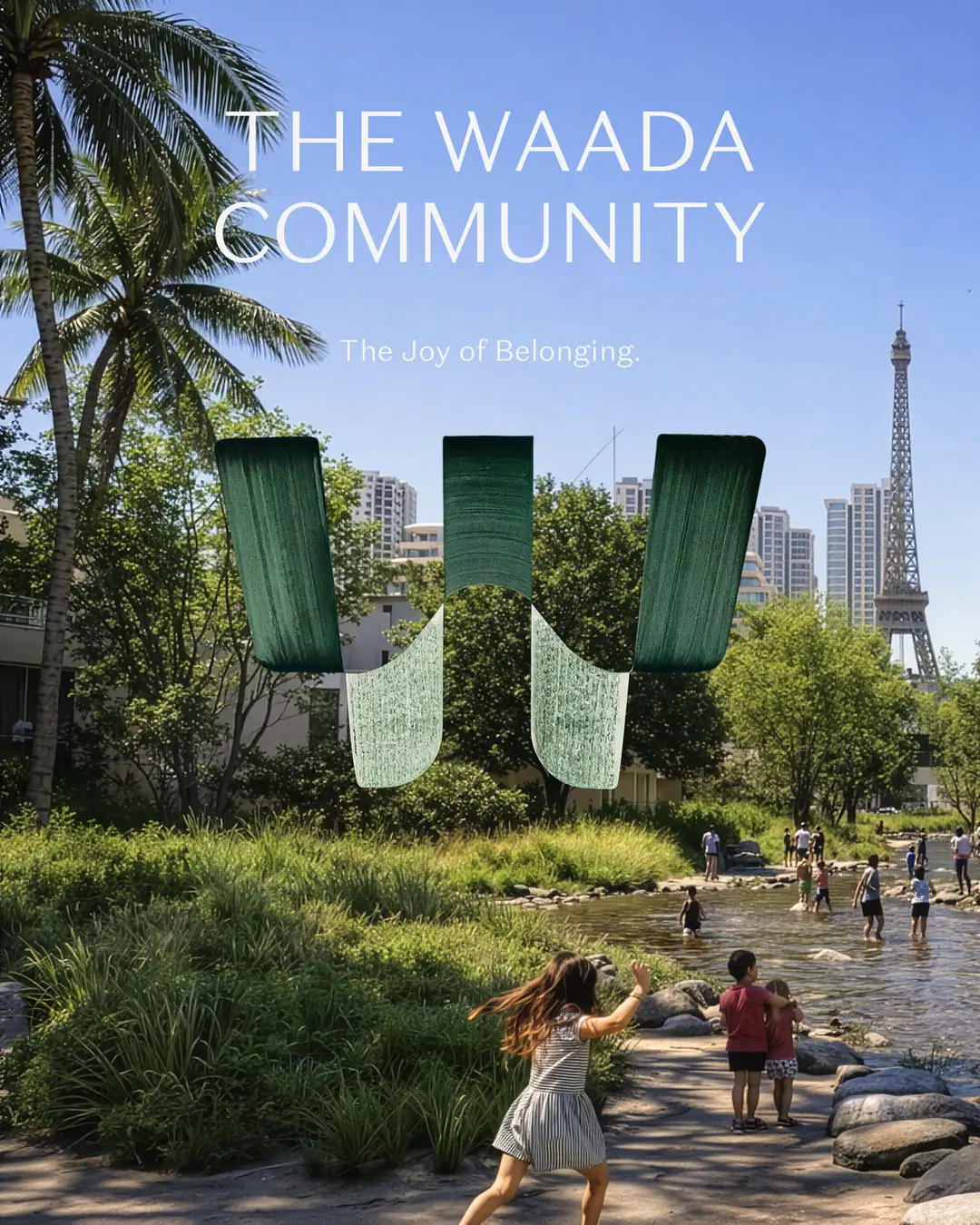
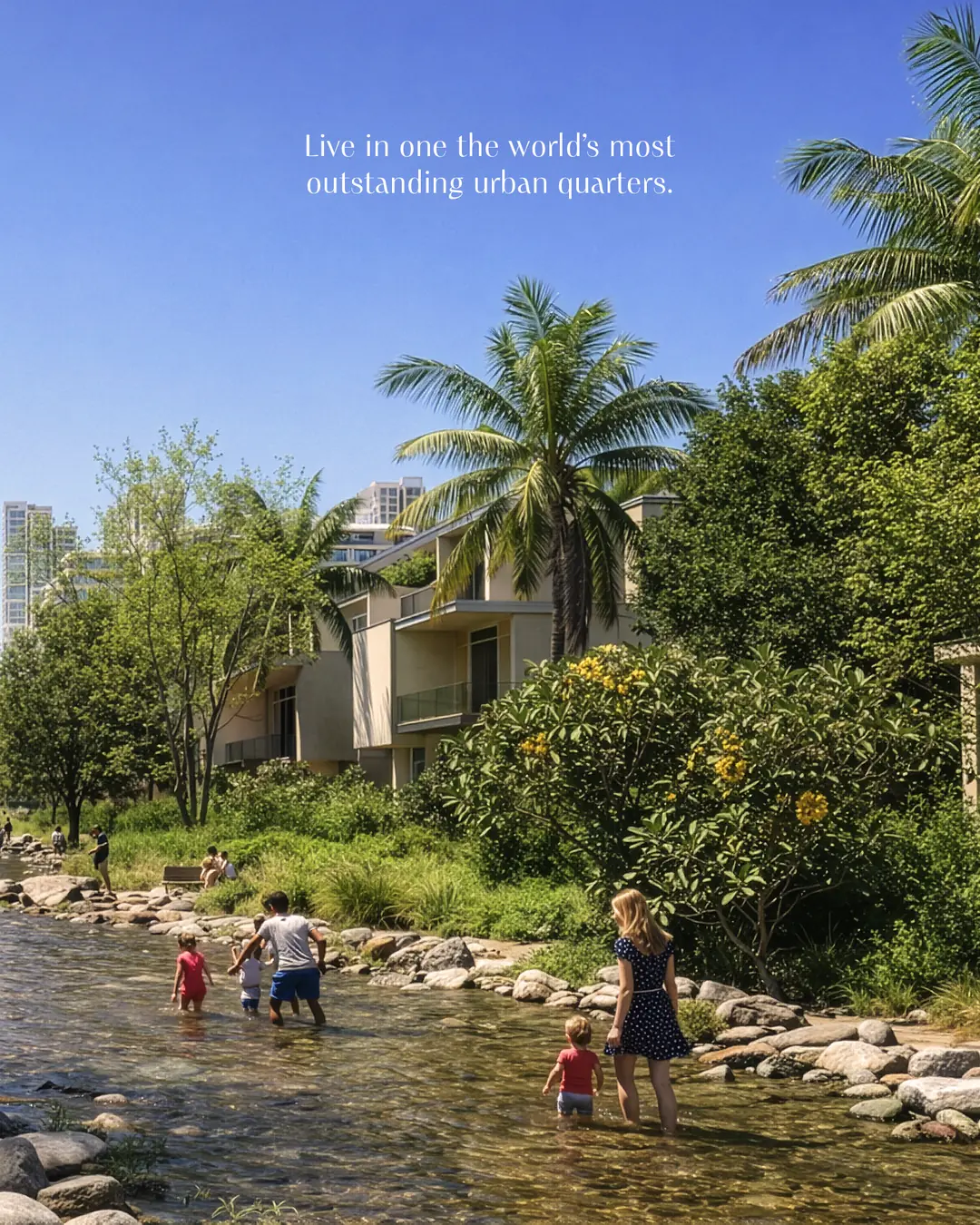
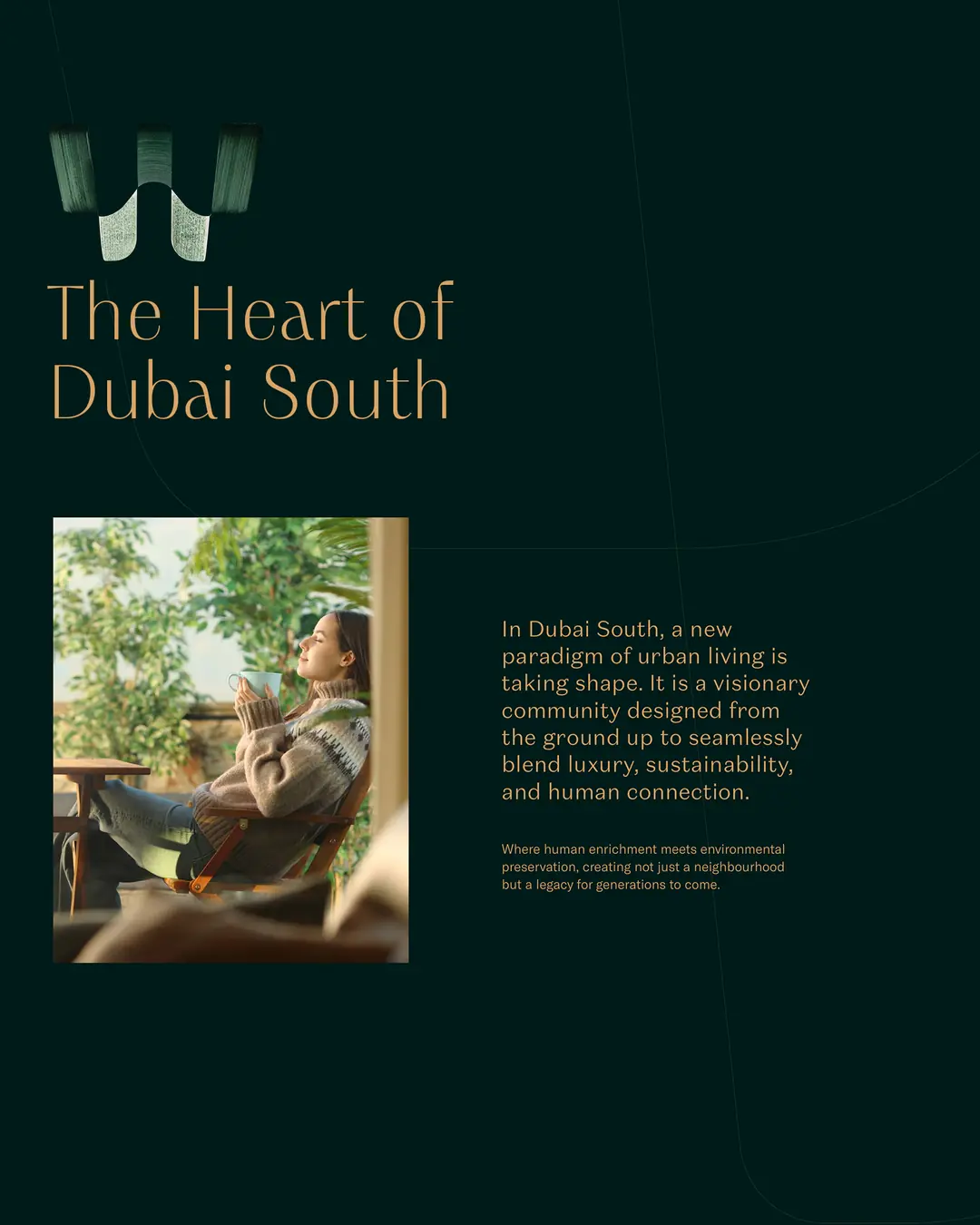
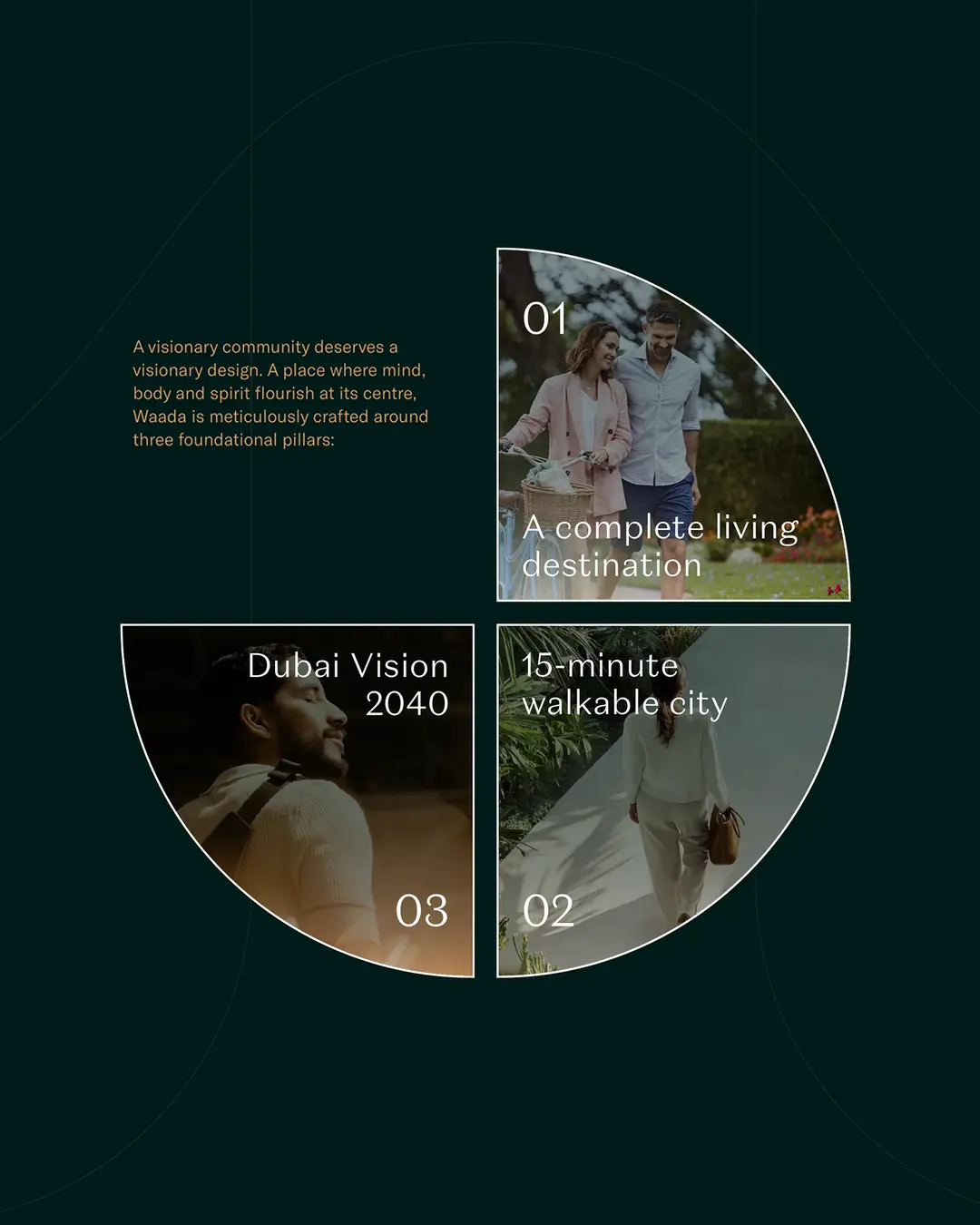
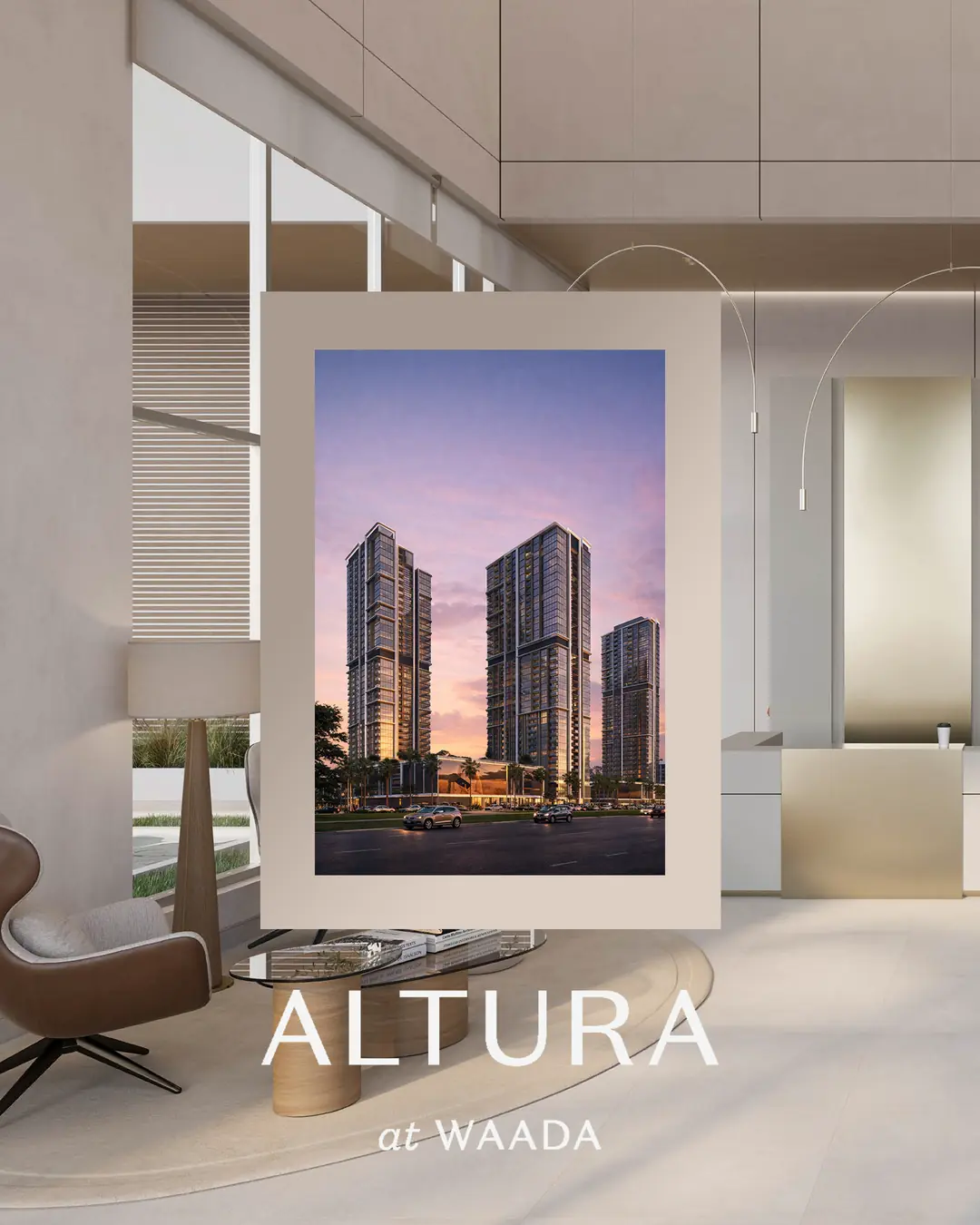
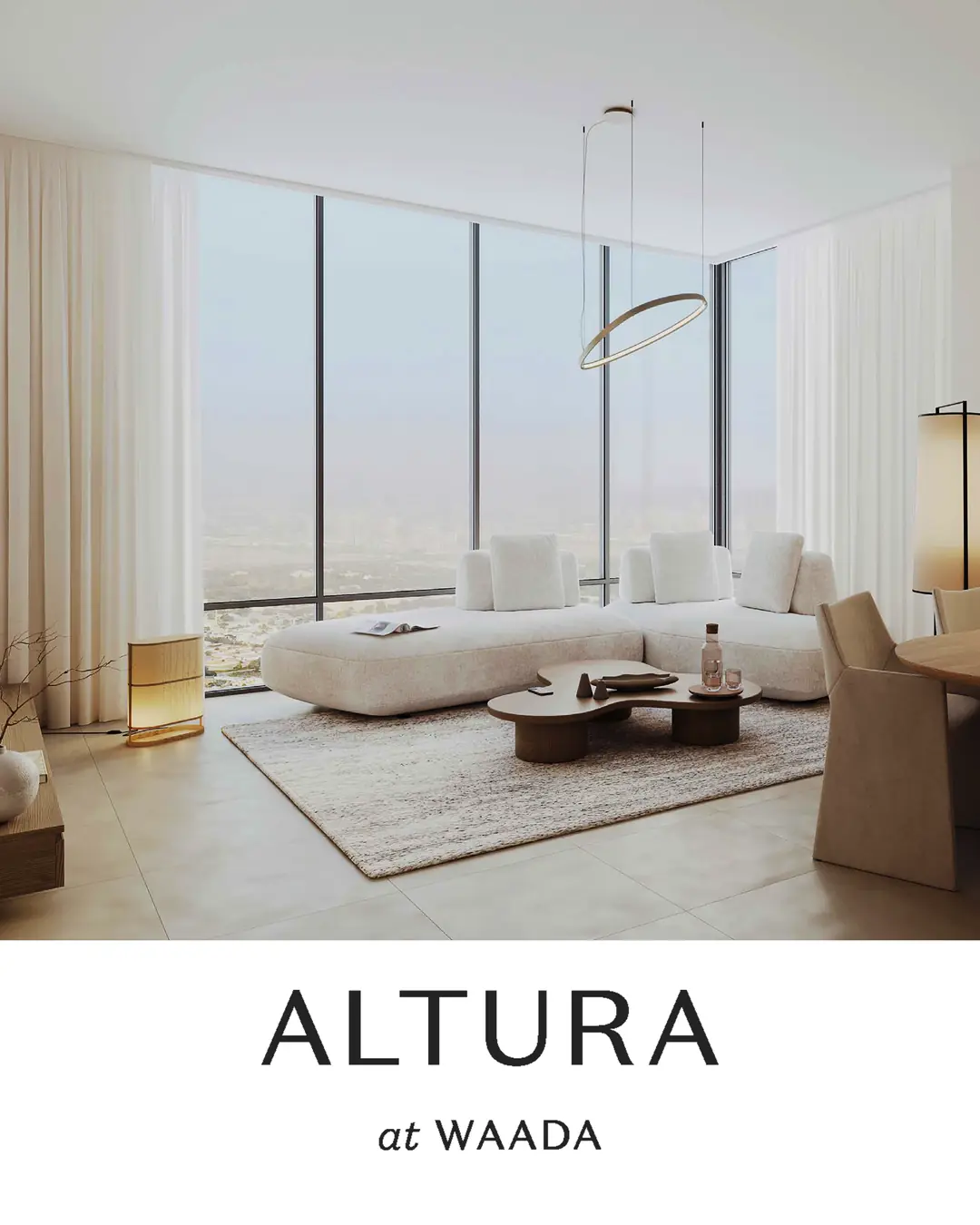
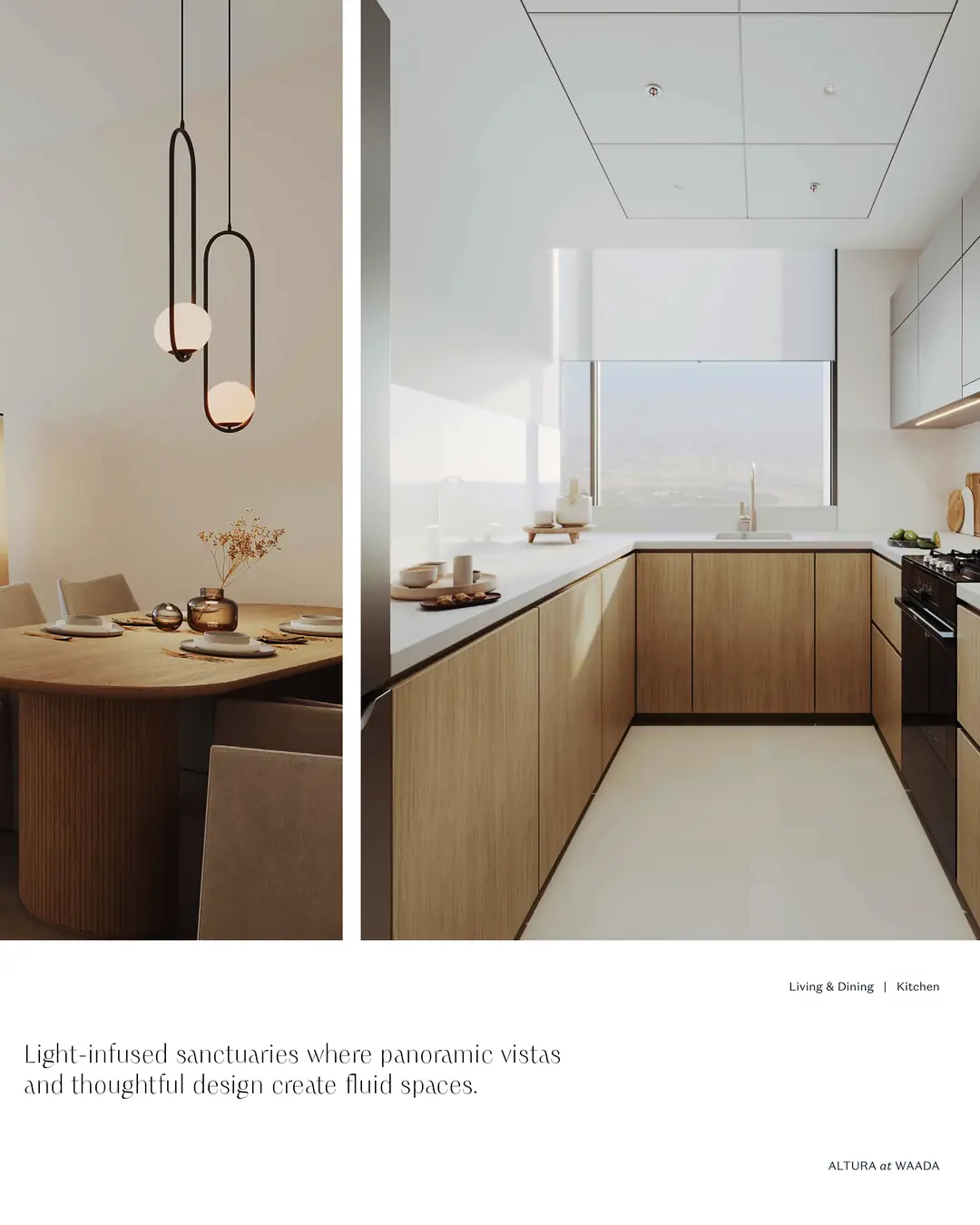
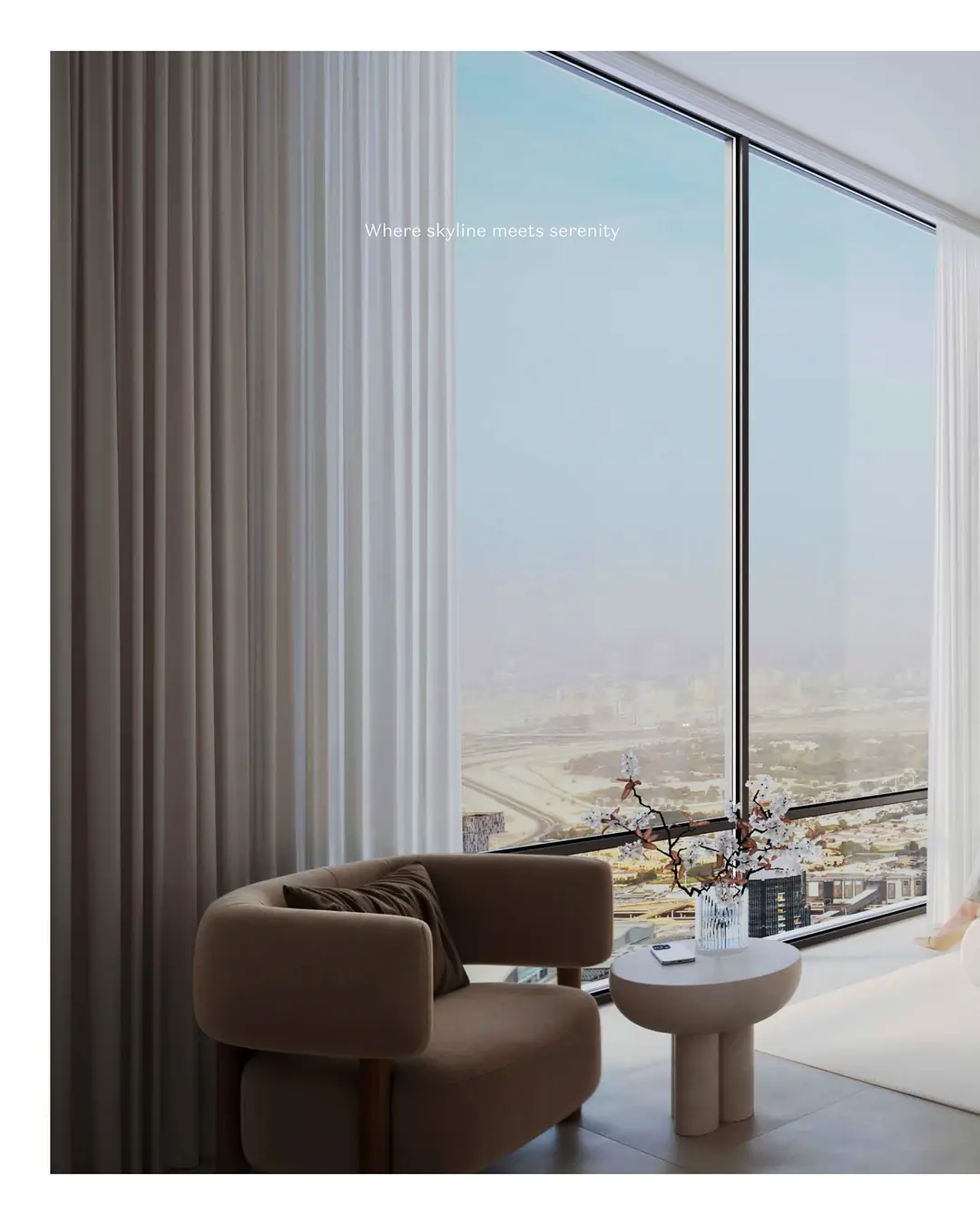
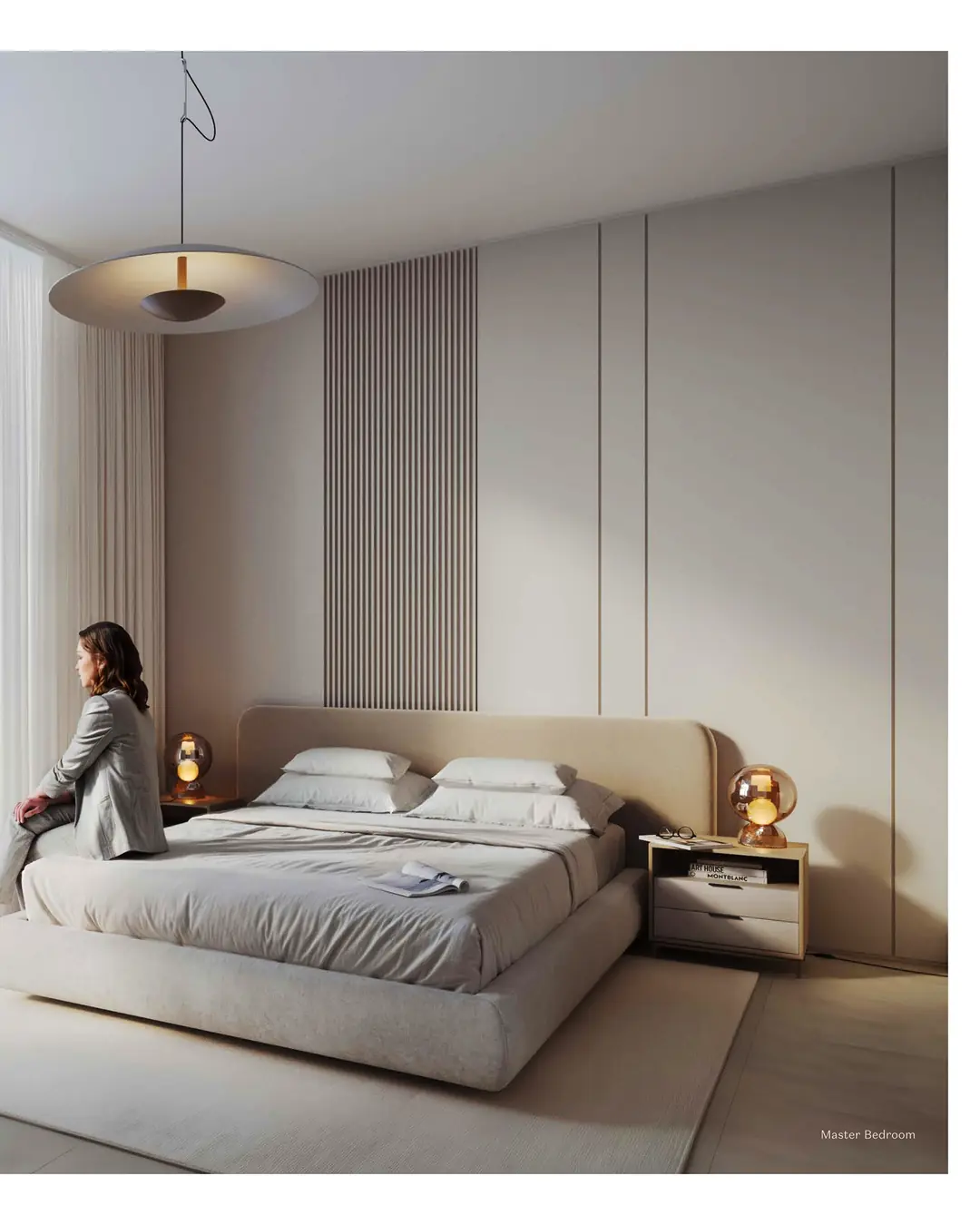
This following is sample content created to demonstrate how Waada’s organic social presence could communicate more clearly at the buyer research stage.
All content is built using existing Waada brochures. The difference here is sequencing and placement, not reinvention.
What stayed the same
What changed
This demo focuses on information structure, topic selection, and sequencing. Tone and copy details are secondary.
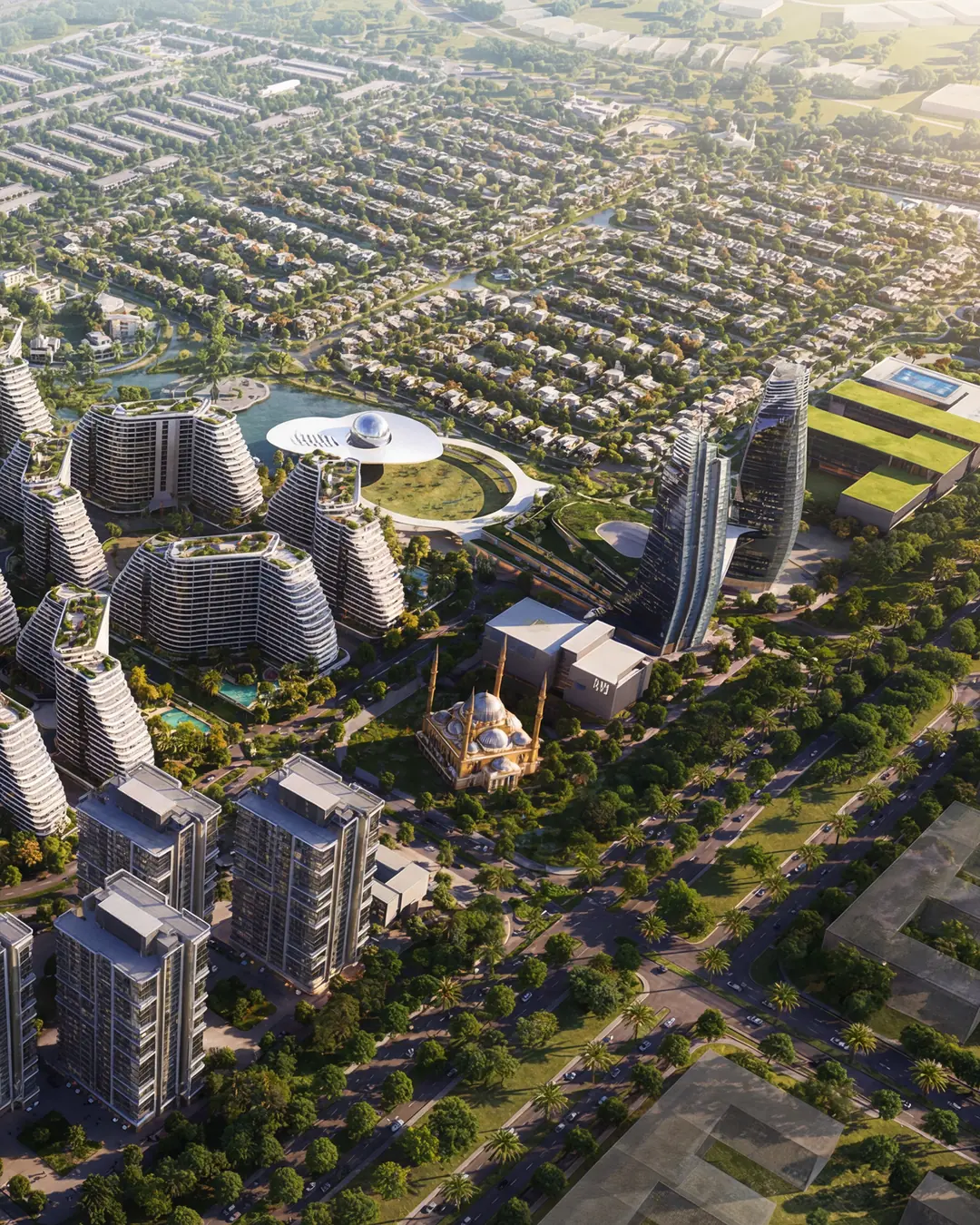
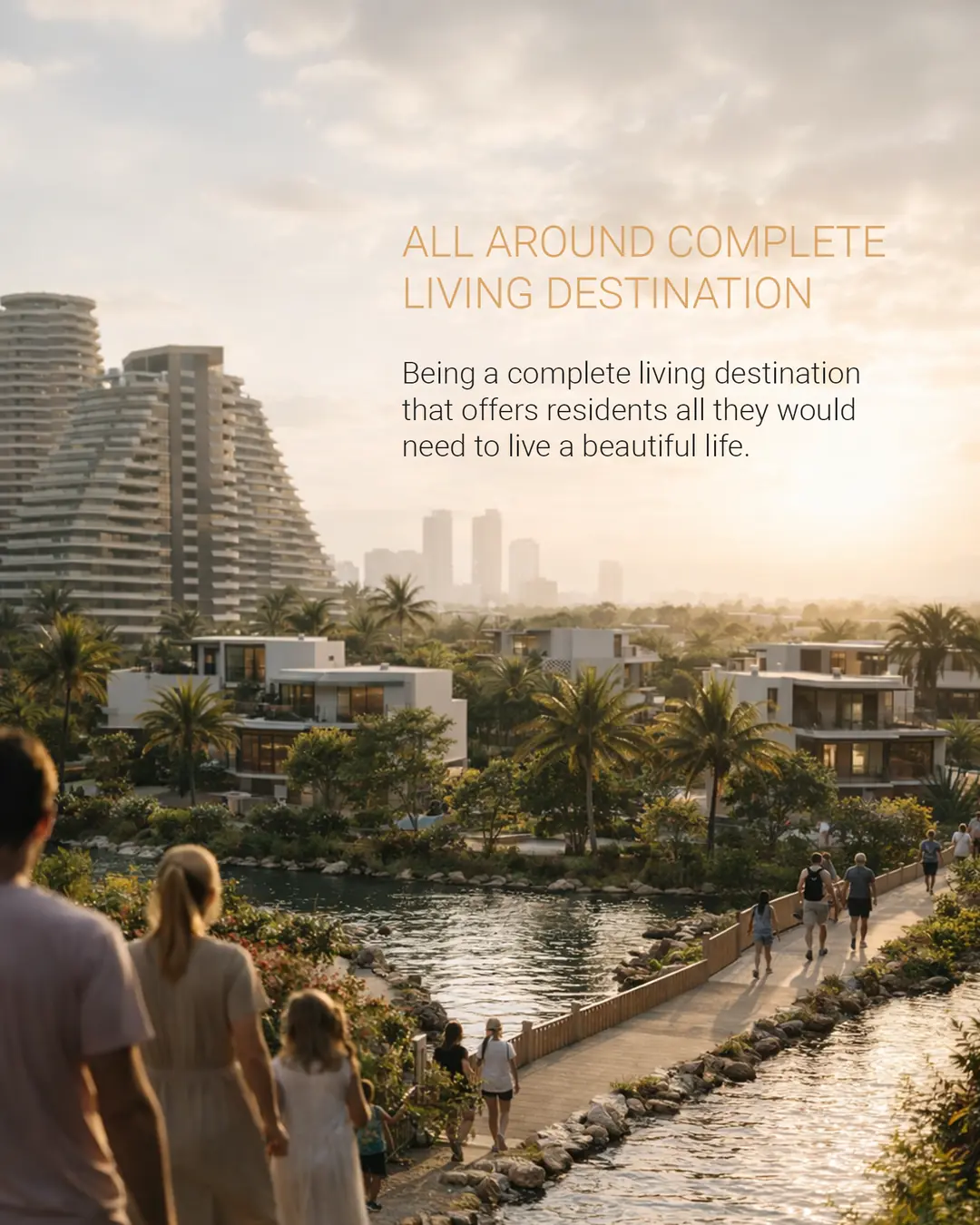
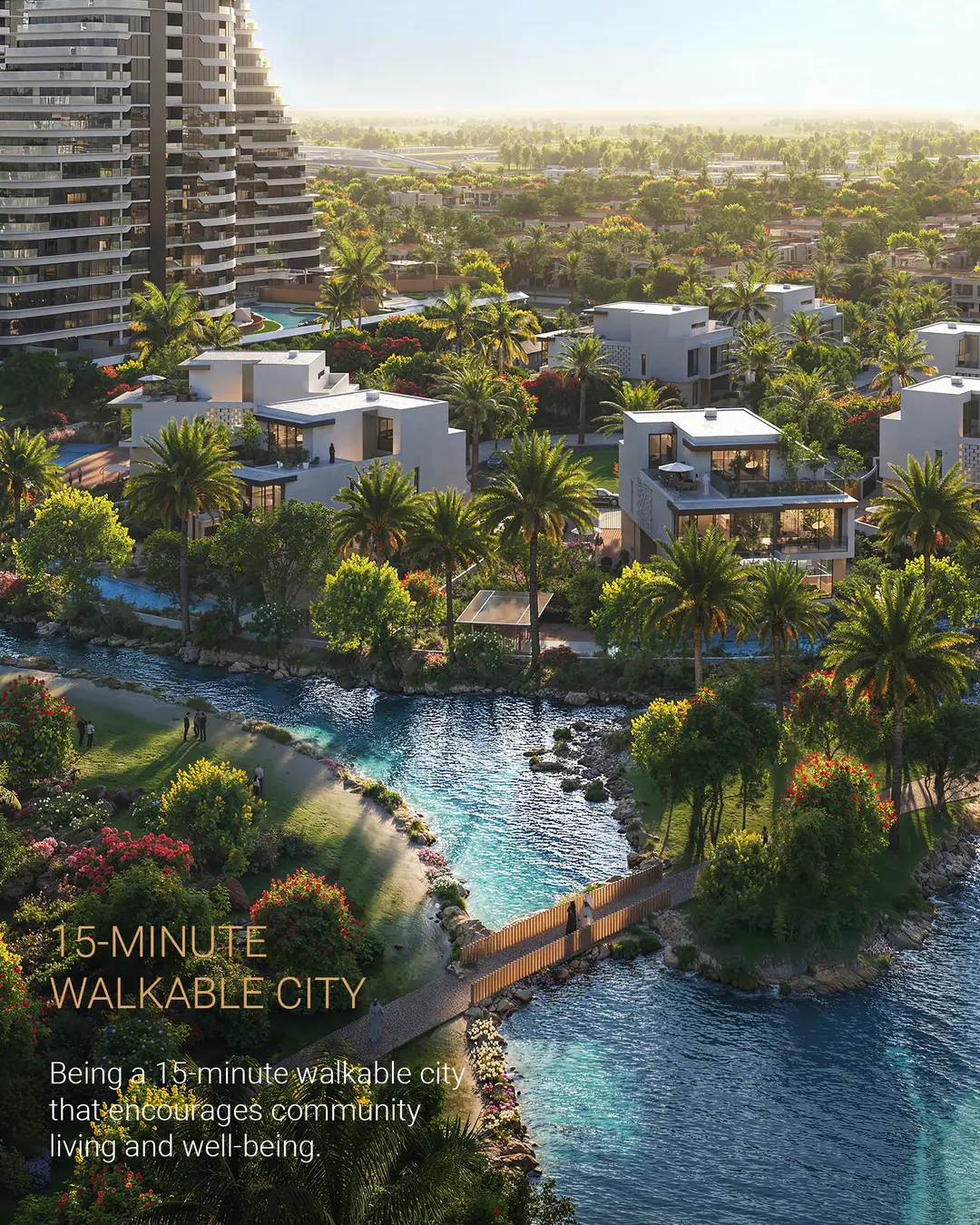
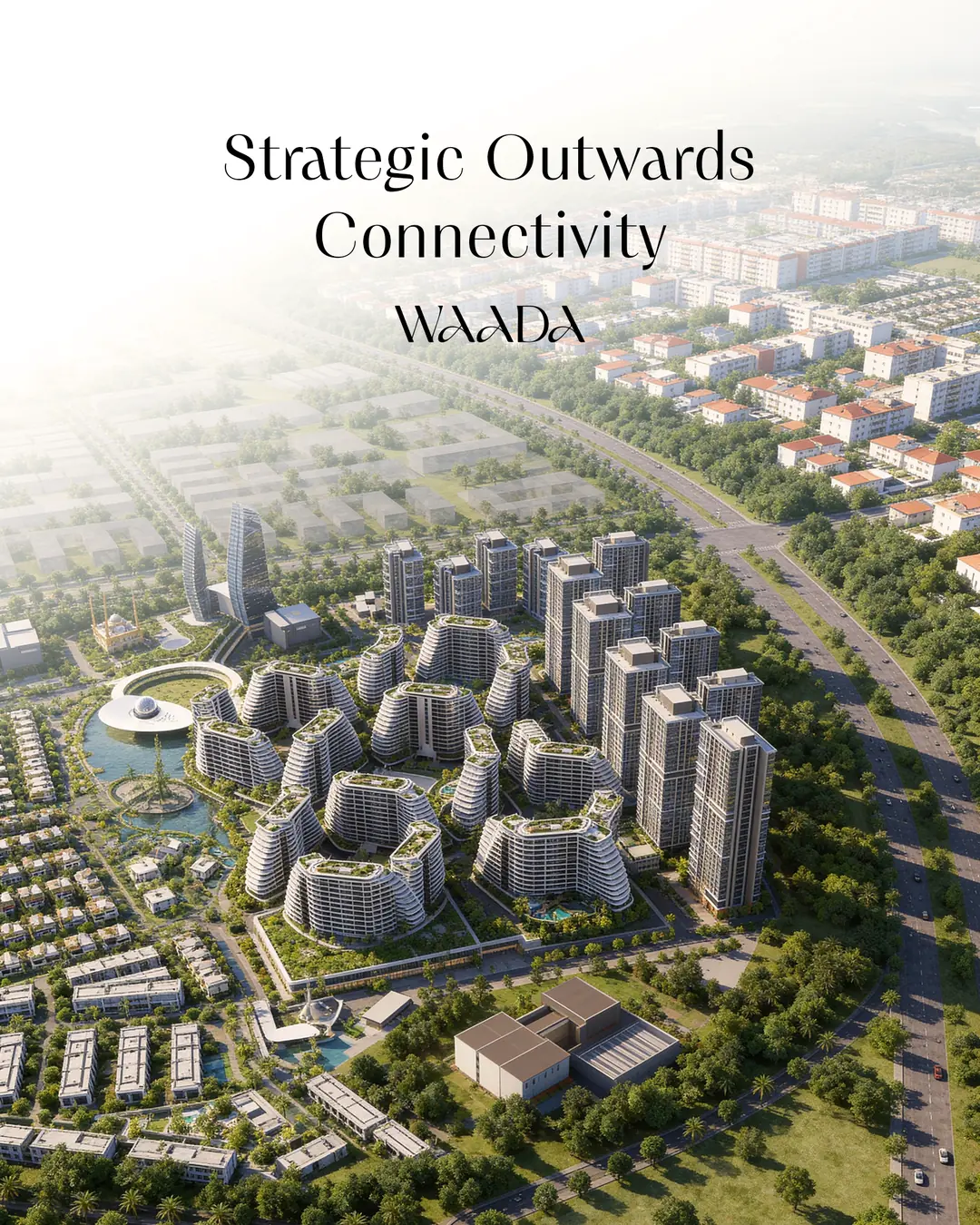
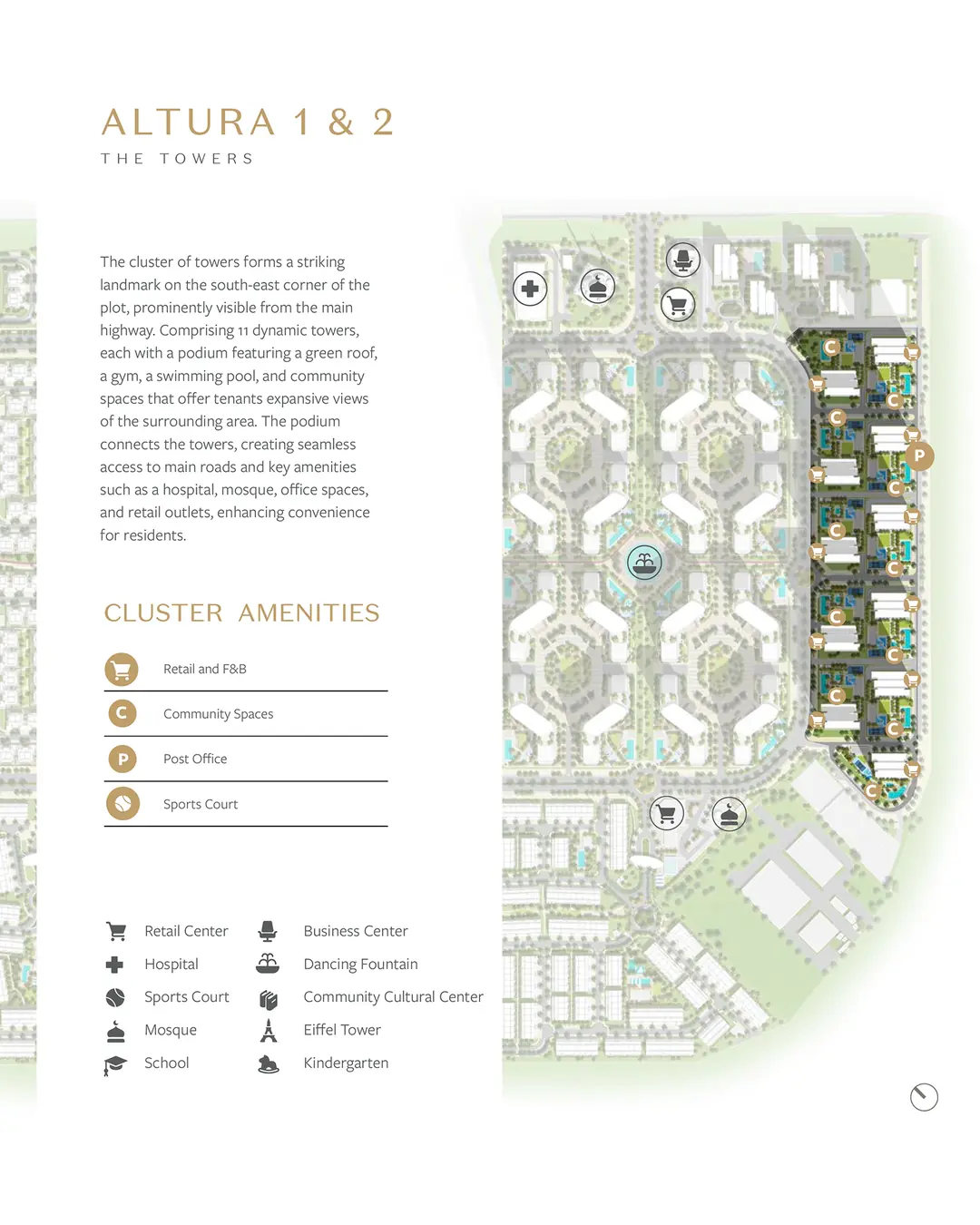
Help buyers quickly understand the nature, scale, and intent of the community, preventing elimination caused by confusion during first contact.
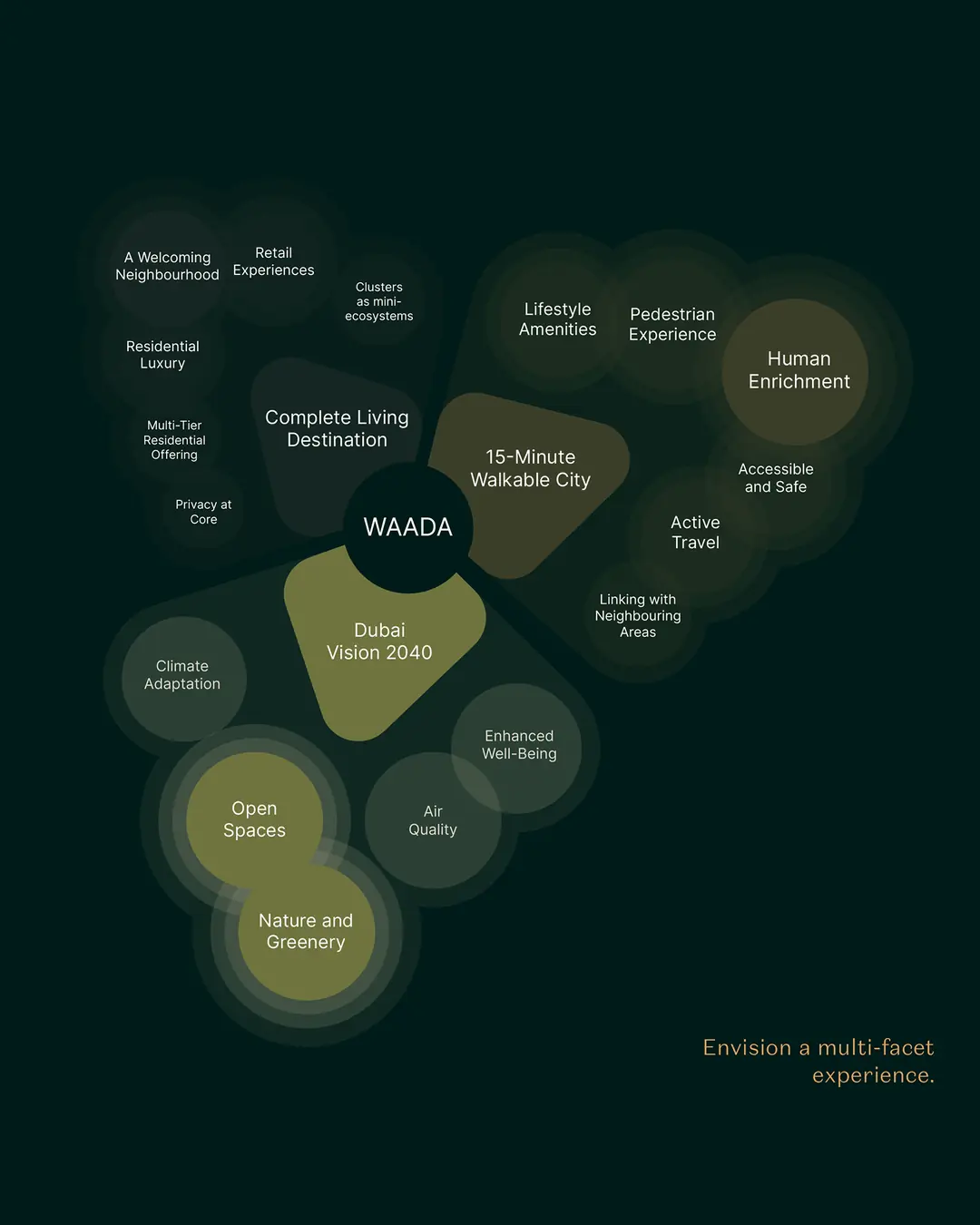
By presenting the project as a coherent whole, buyers can place Waada correctly in their mental shortlist and compare it fairly with other developments.
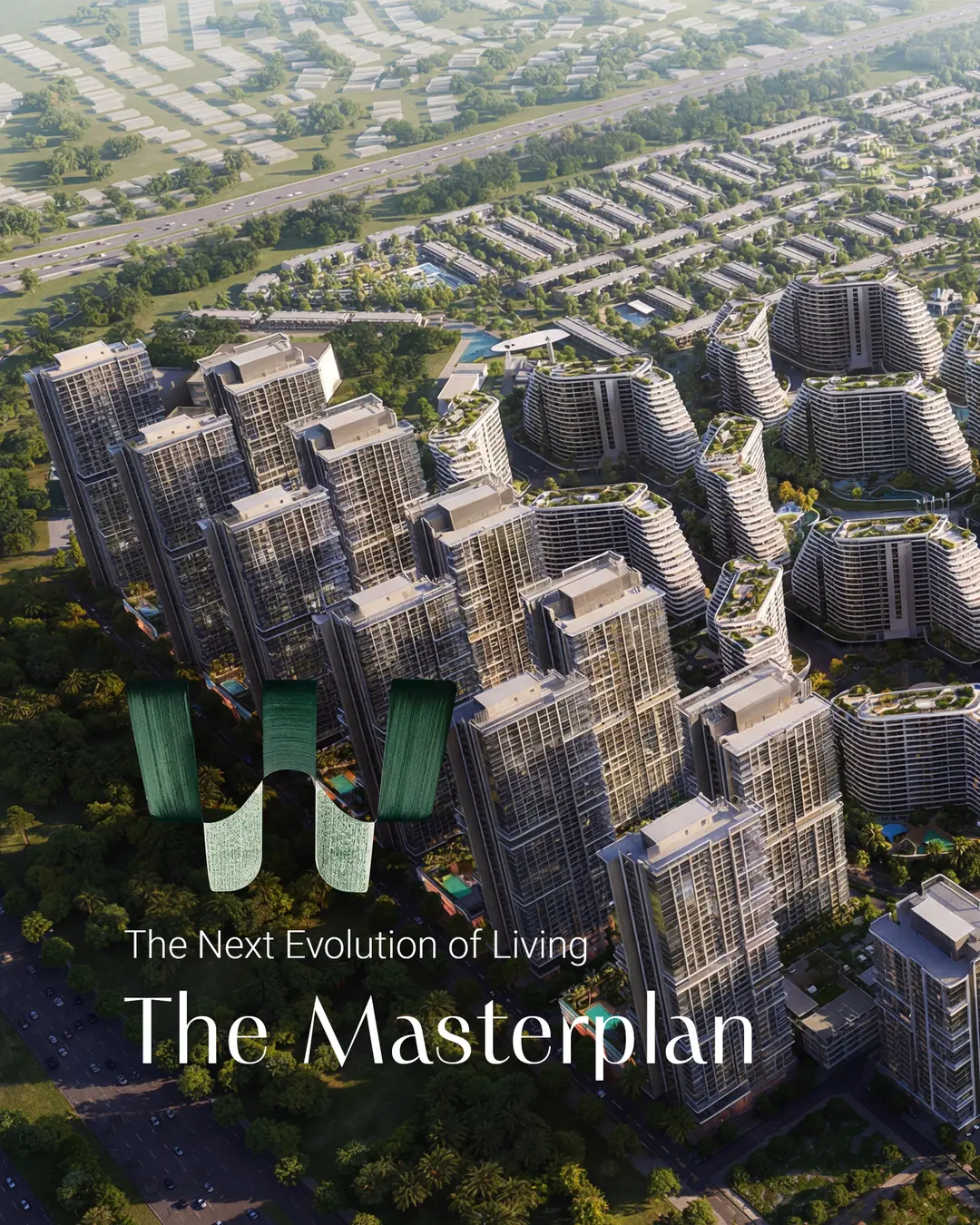
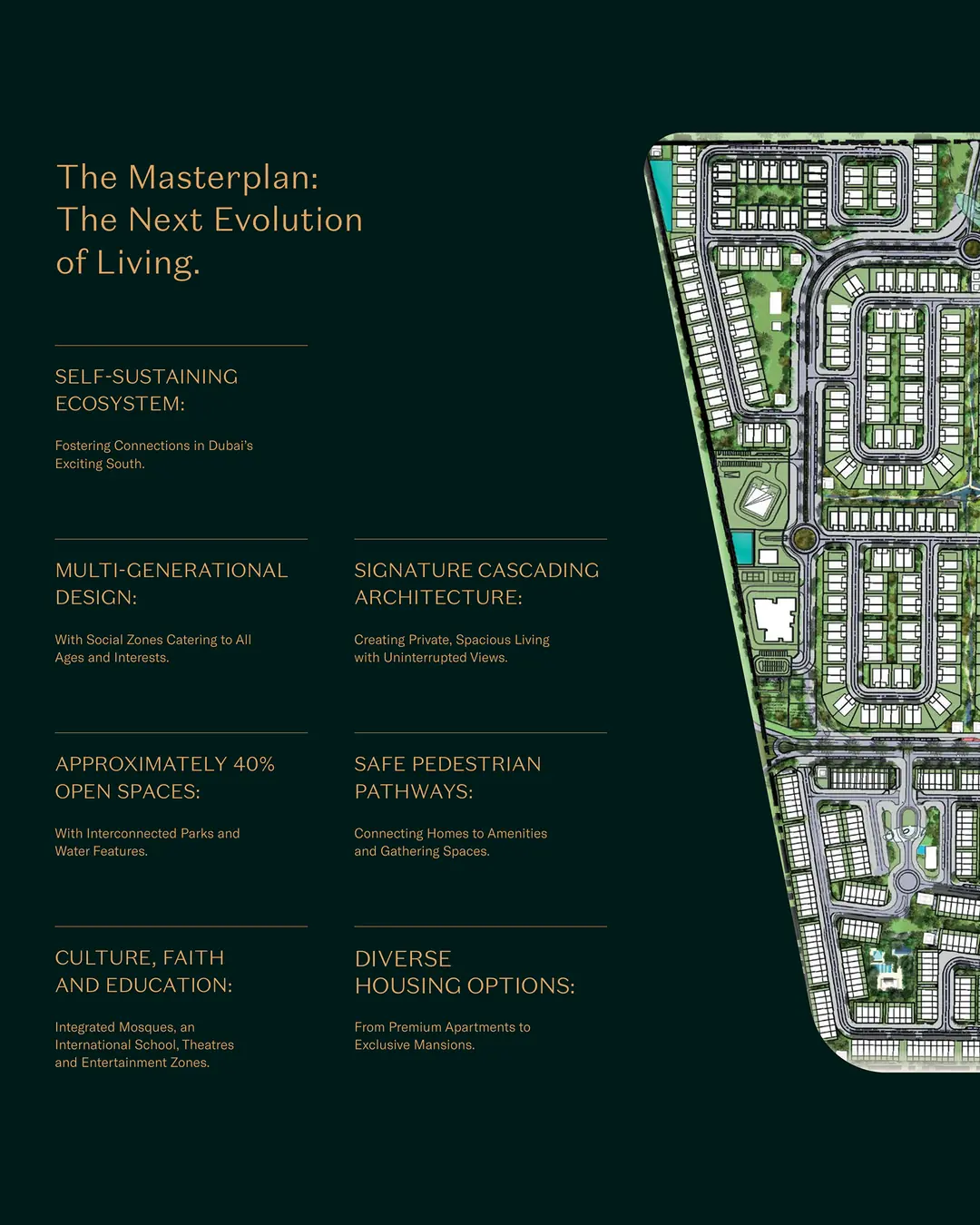
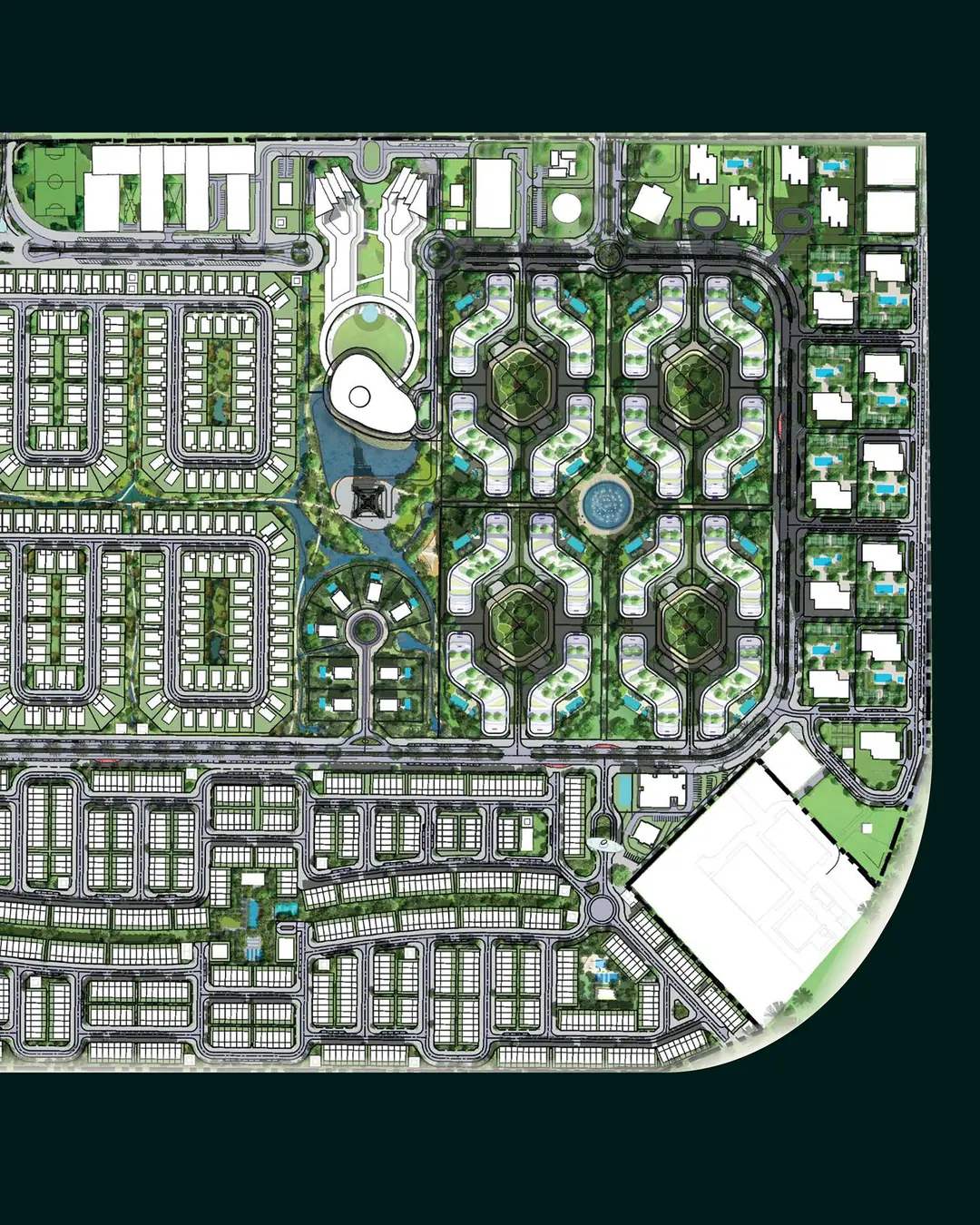
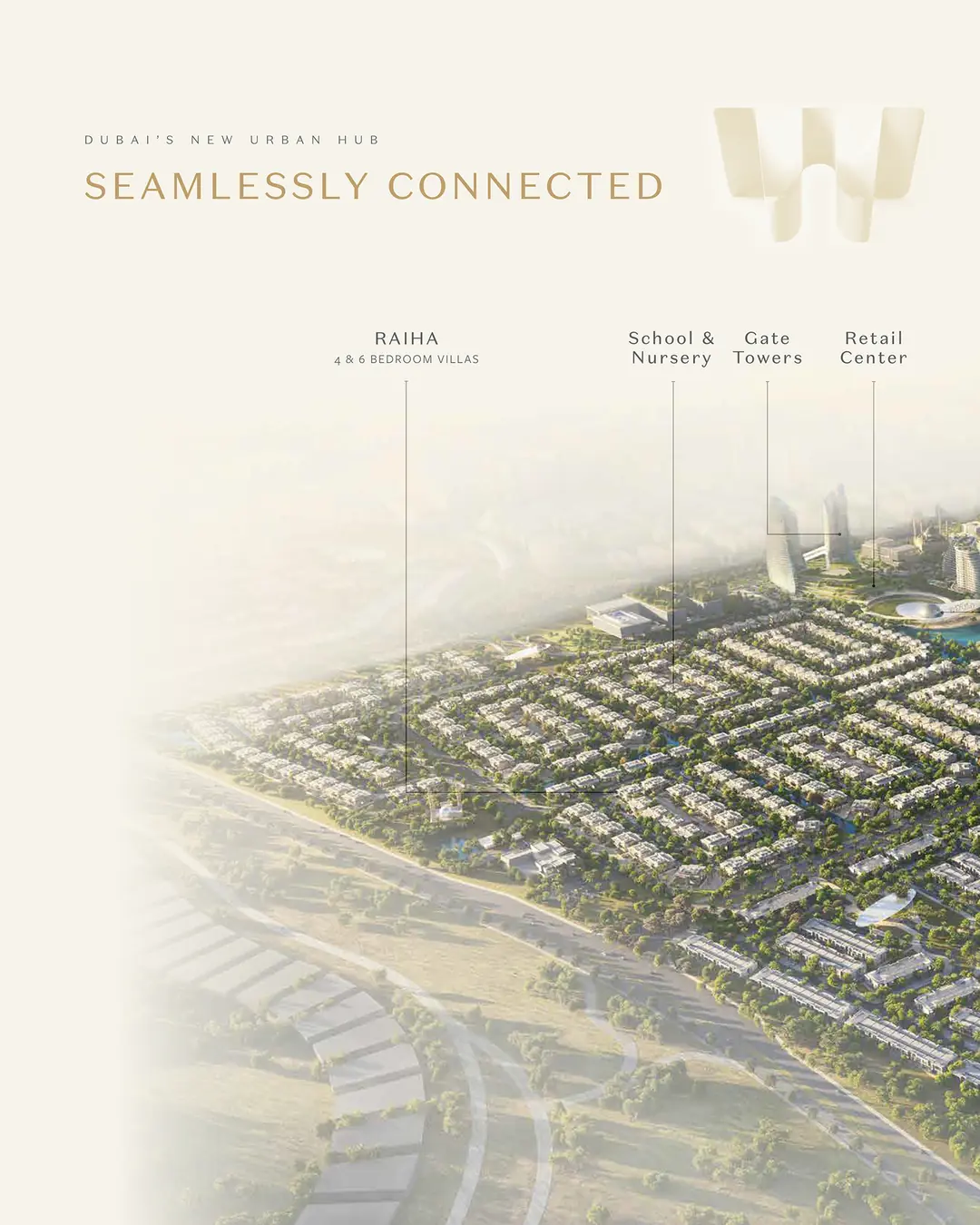
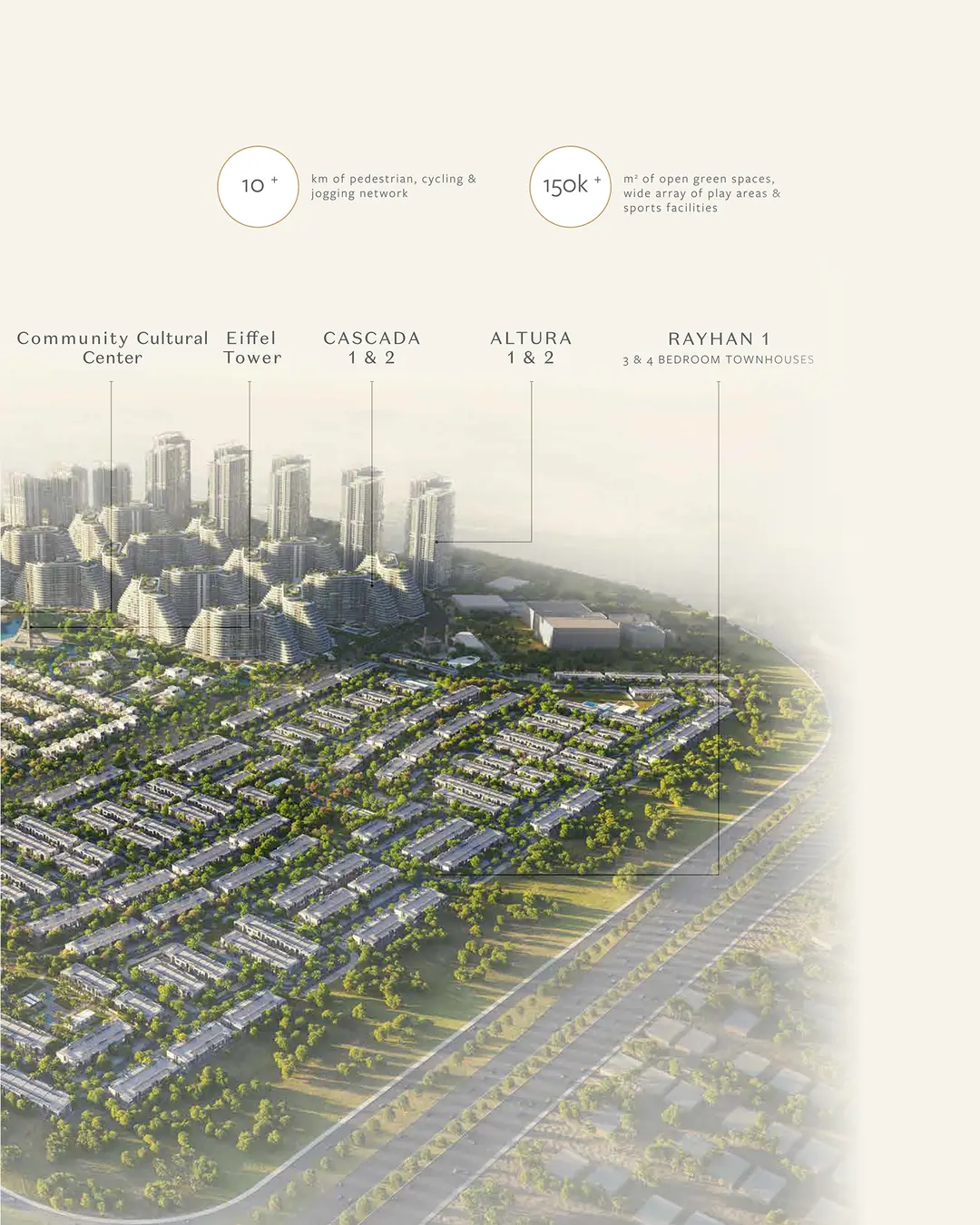
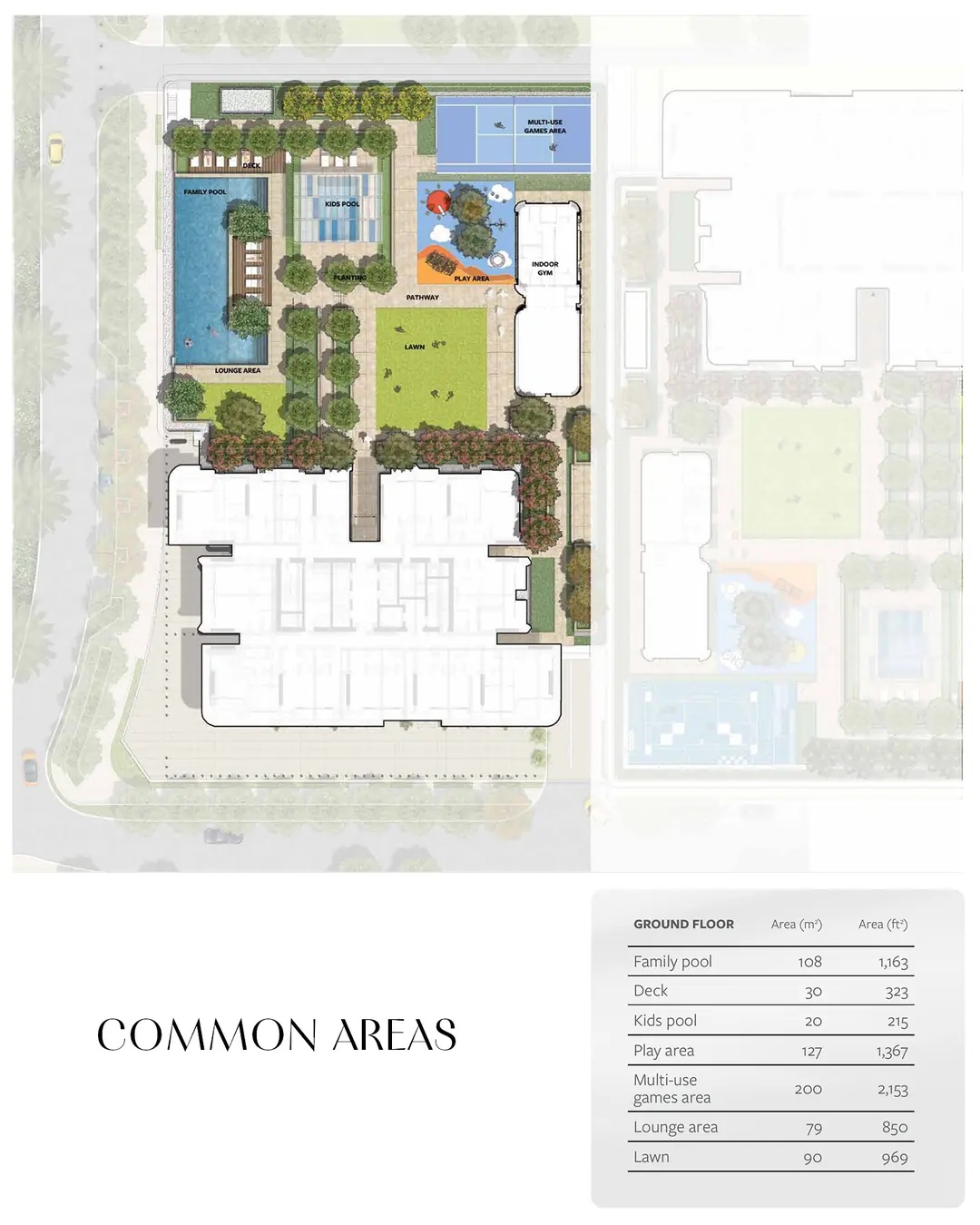
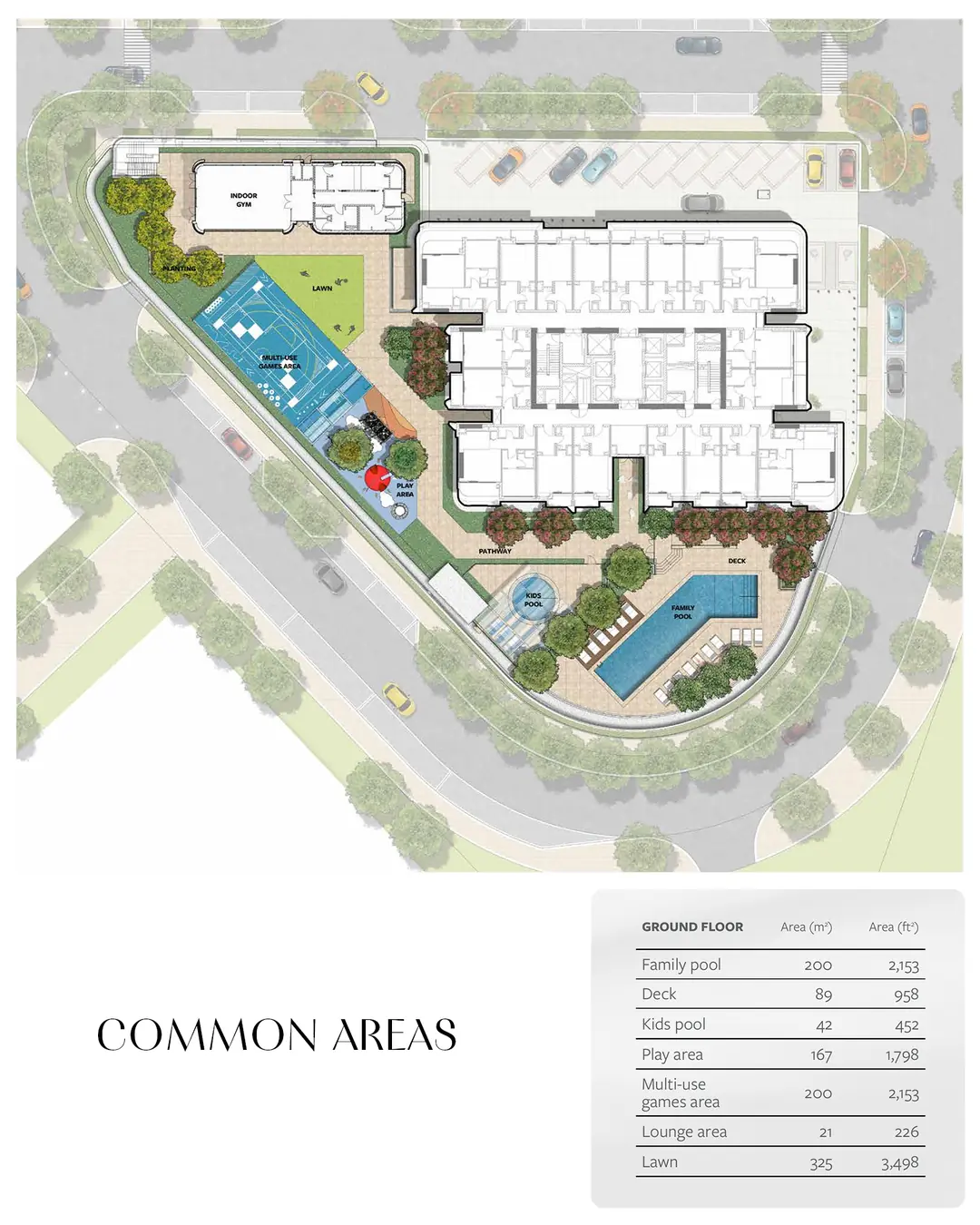
Masterplan and map-based carousels help buyers understand how different parts relate to each other, removing the “this feels complicated” reaction.
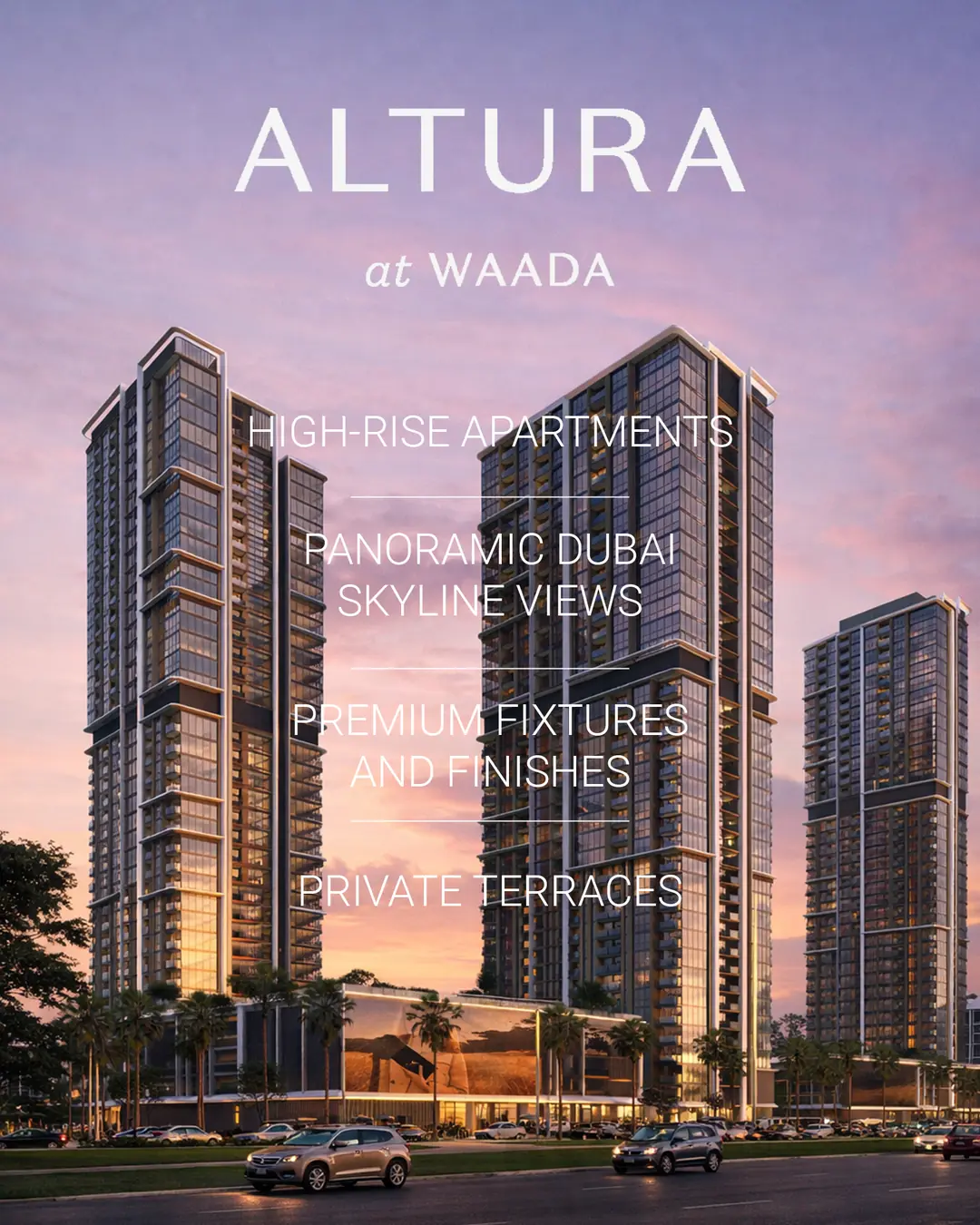
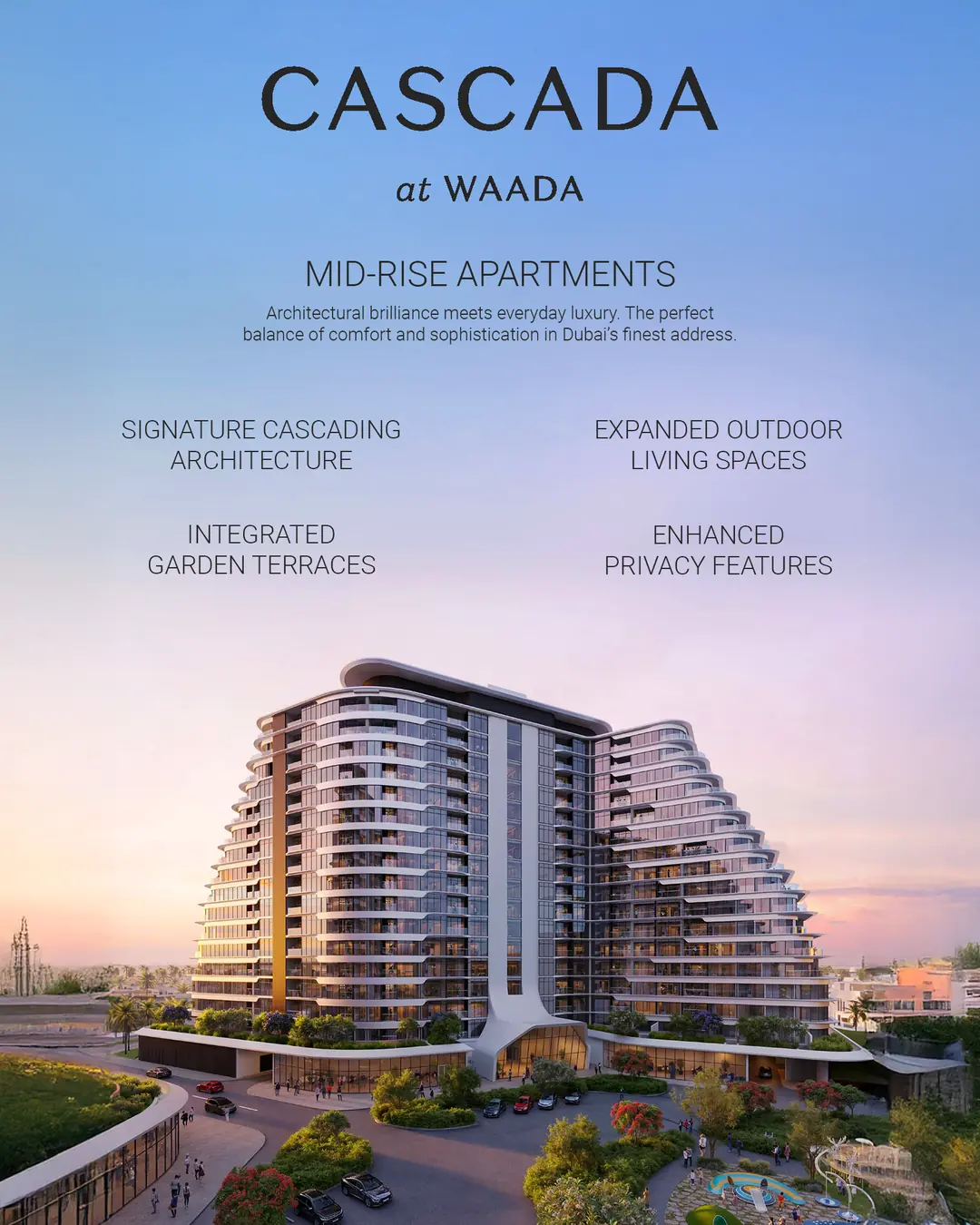
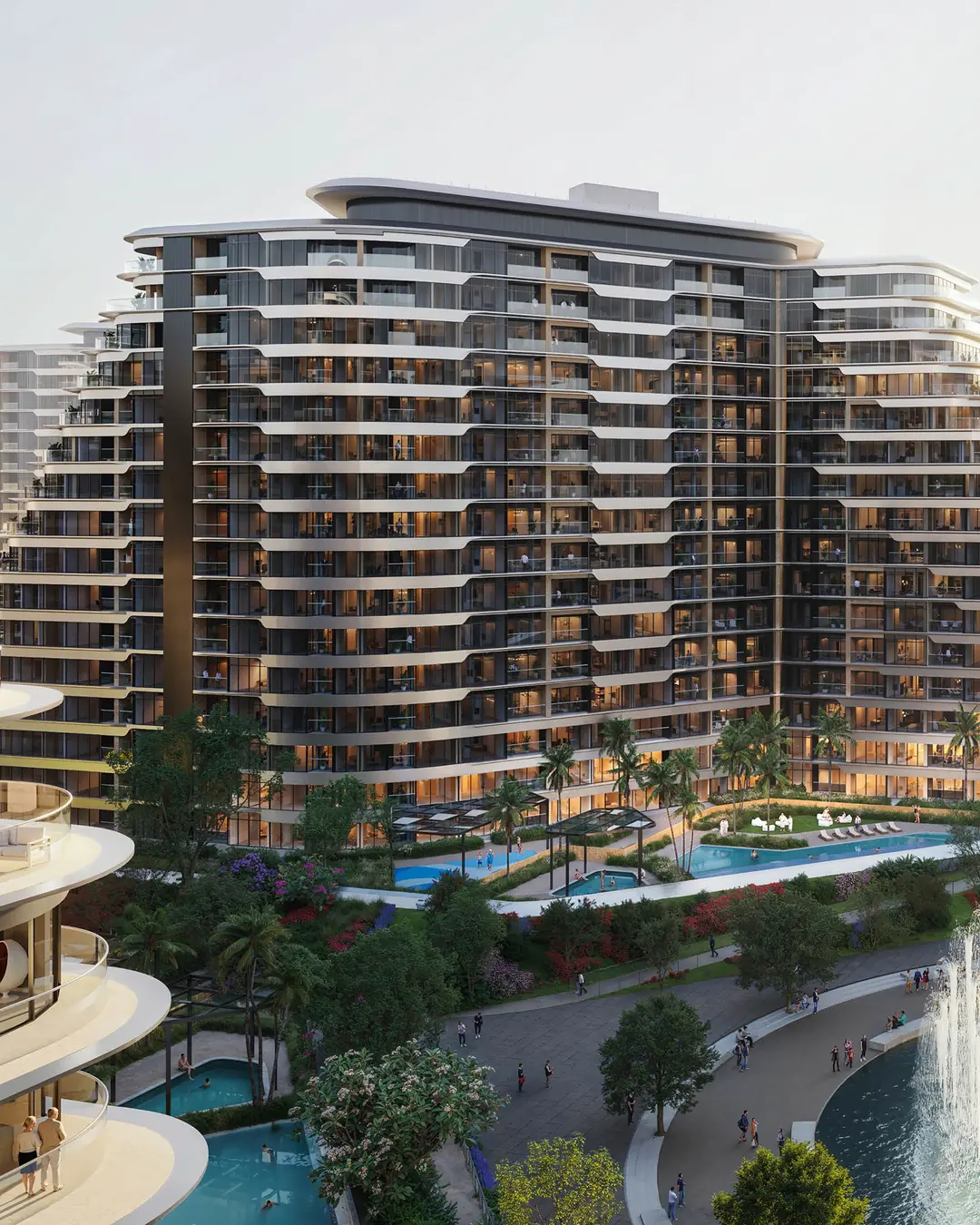
By visually separating residences, apartments, and villas, buyers understand the distinct options without being overwhelmed.
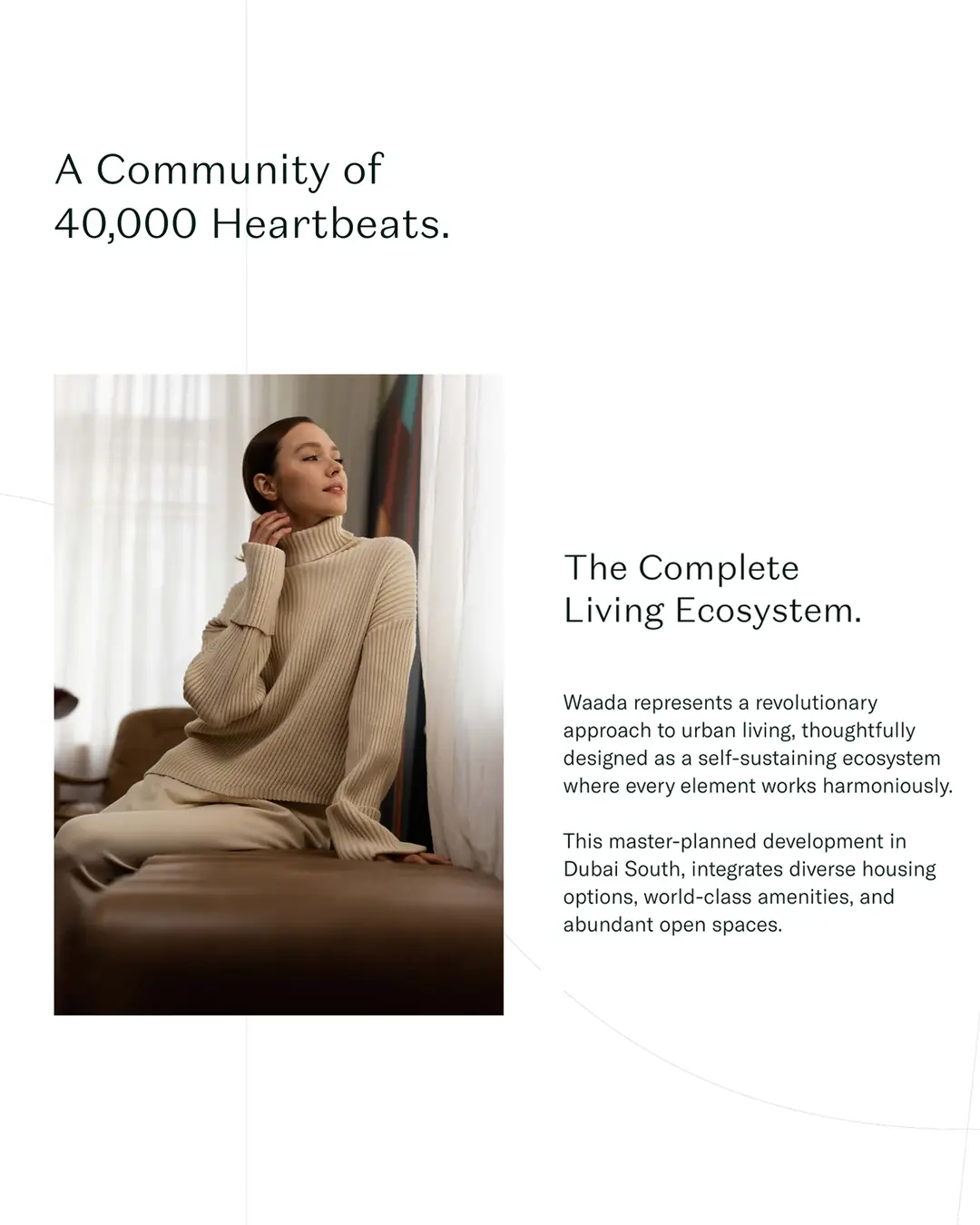
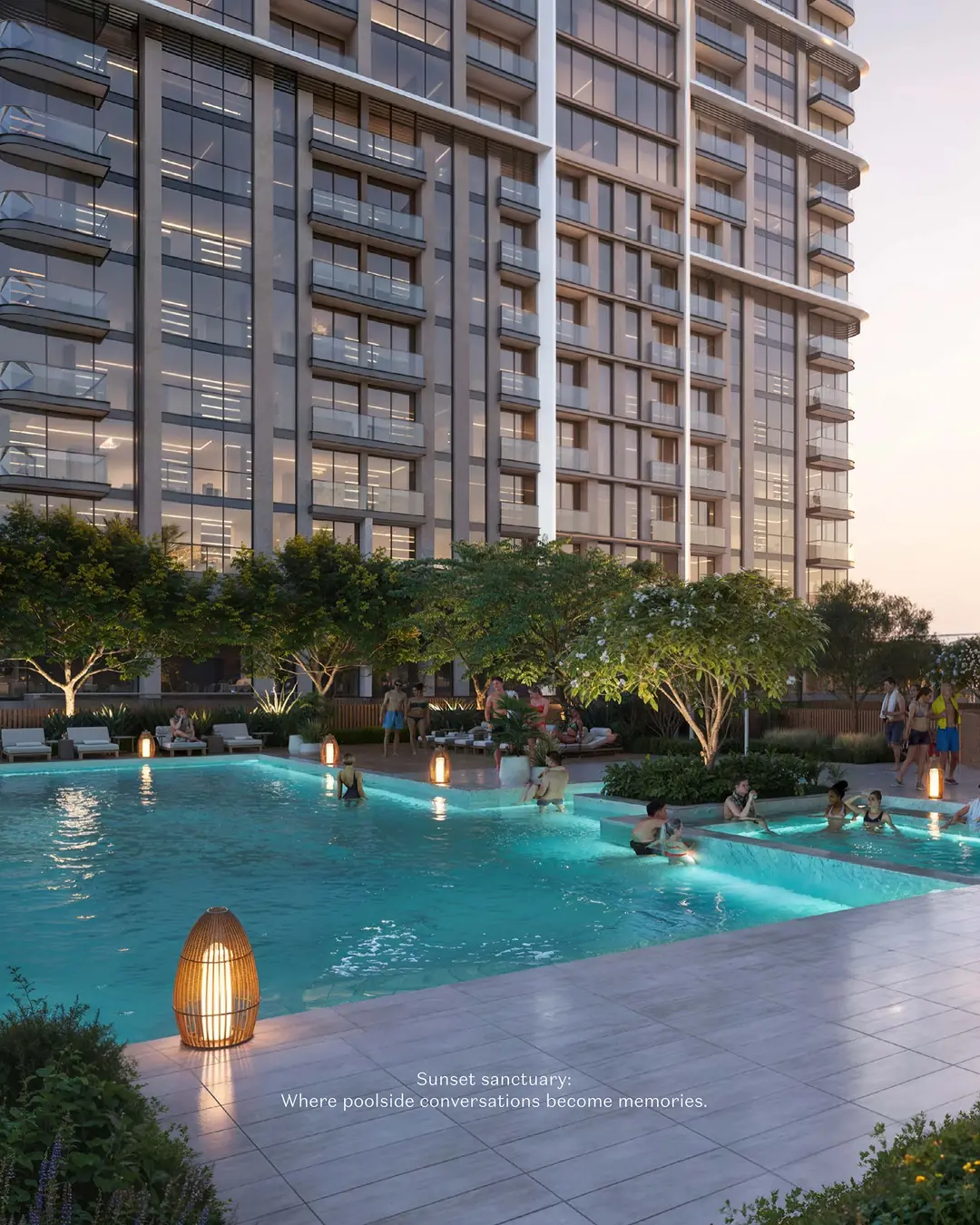
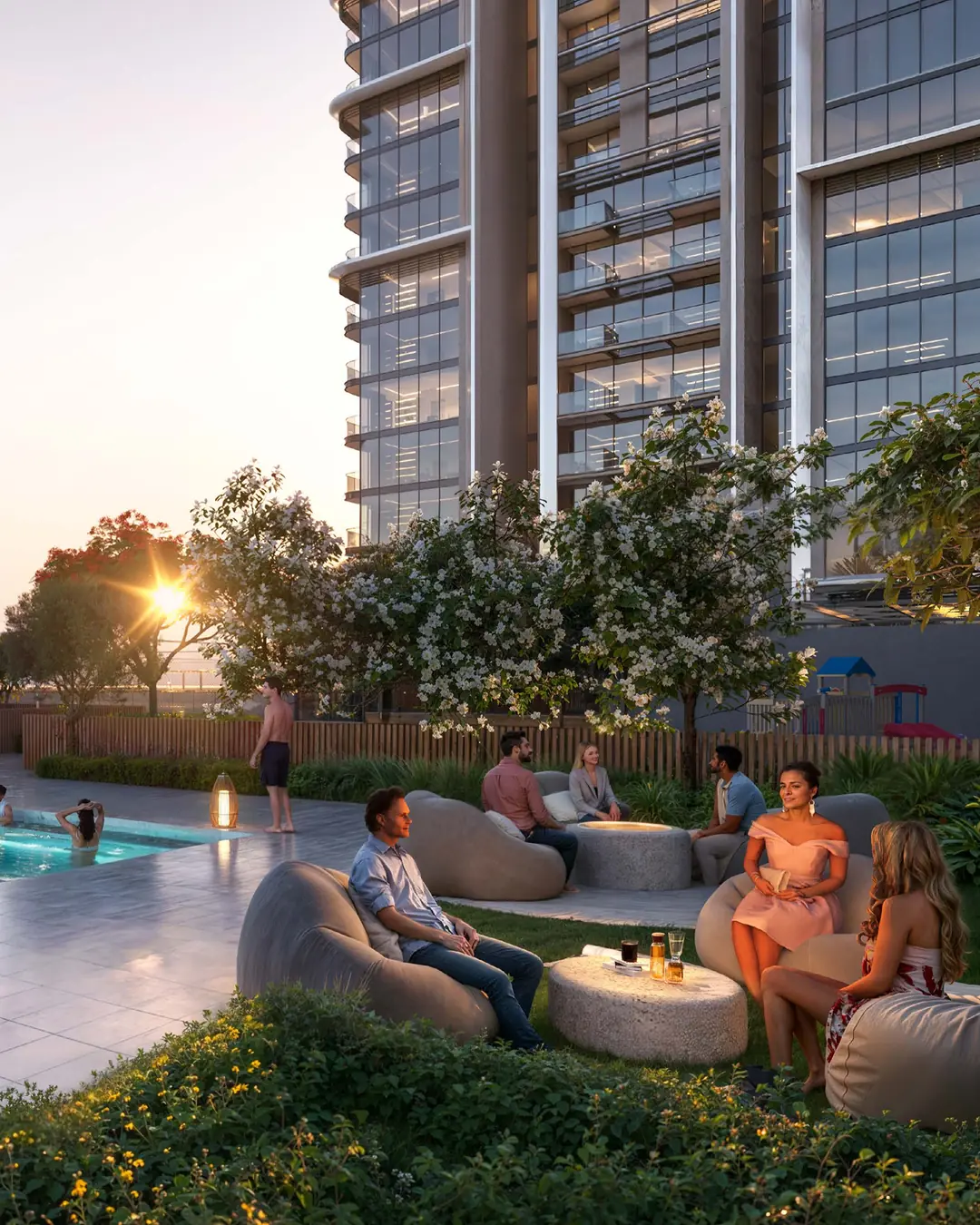
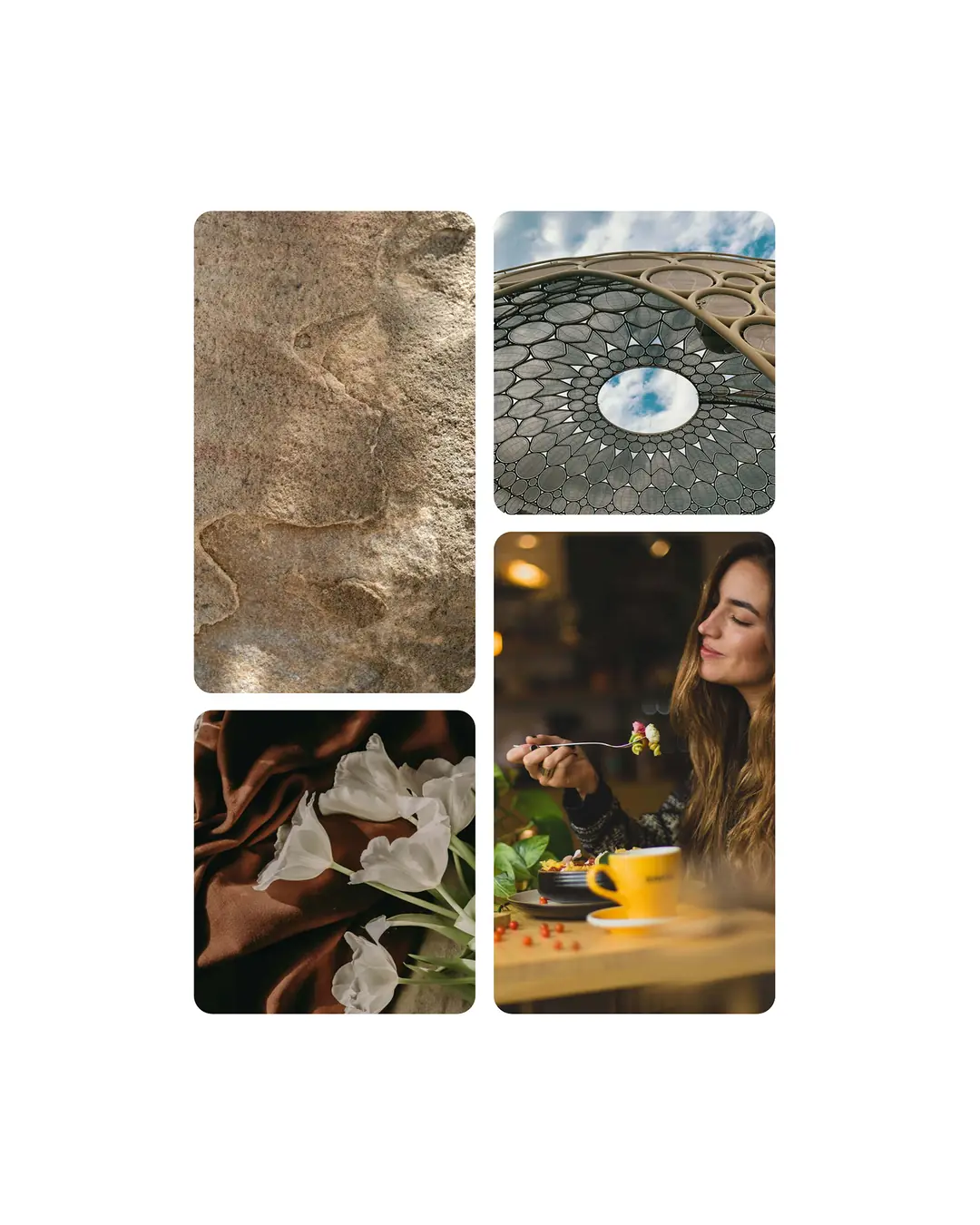
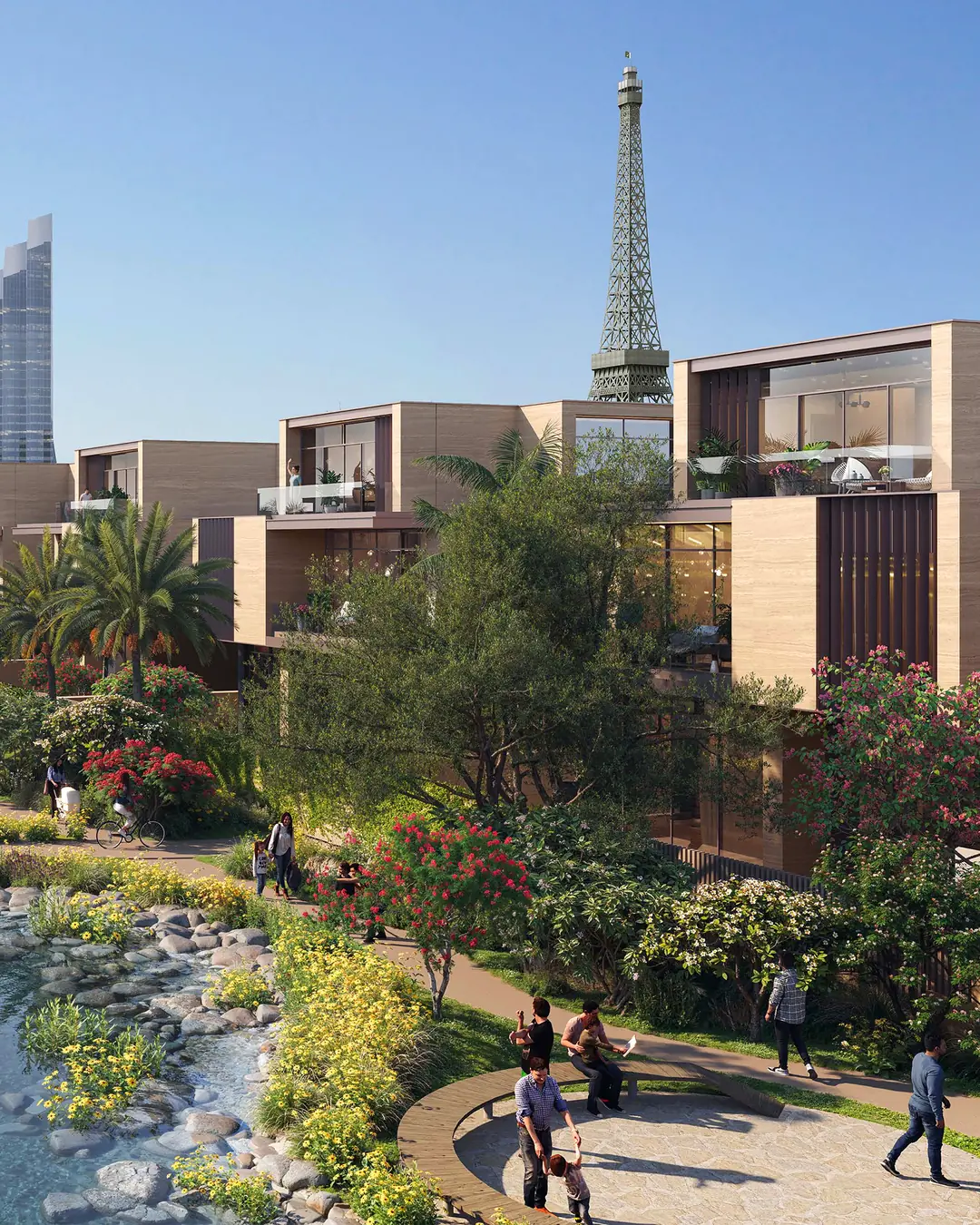
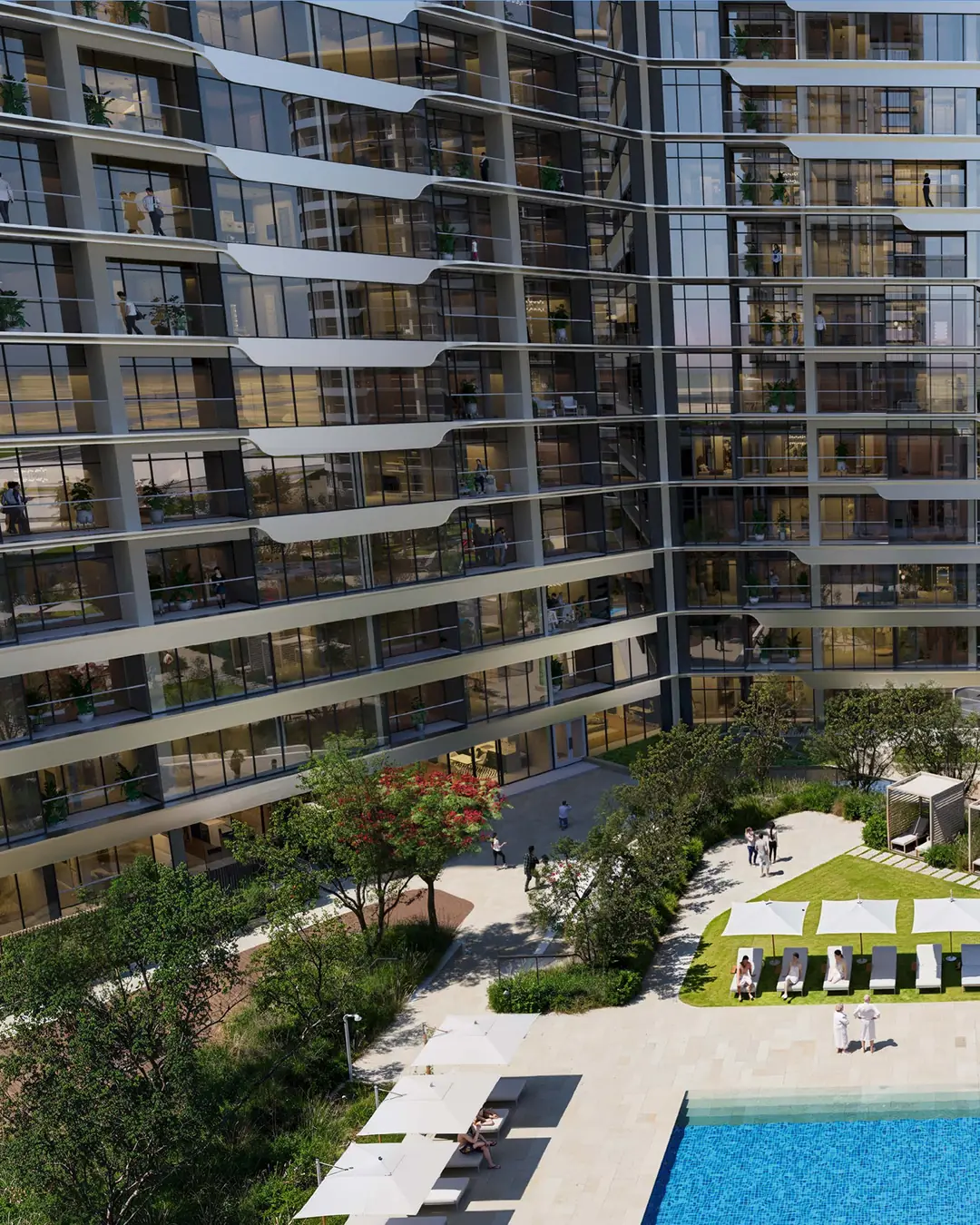
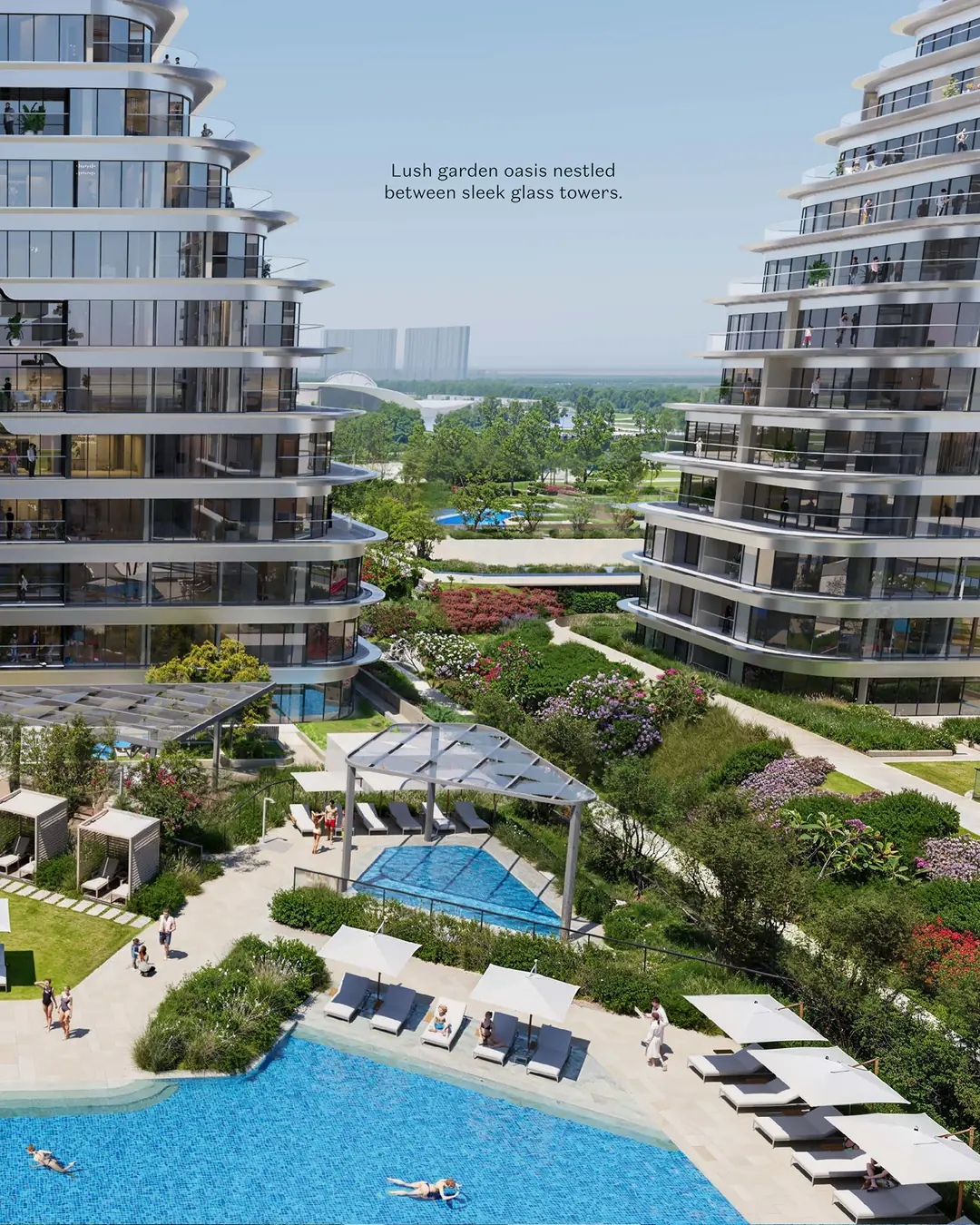
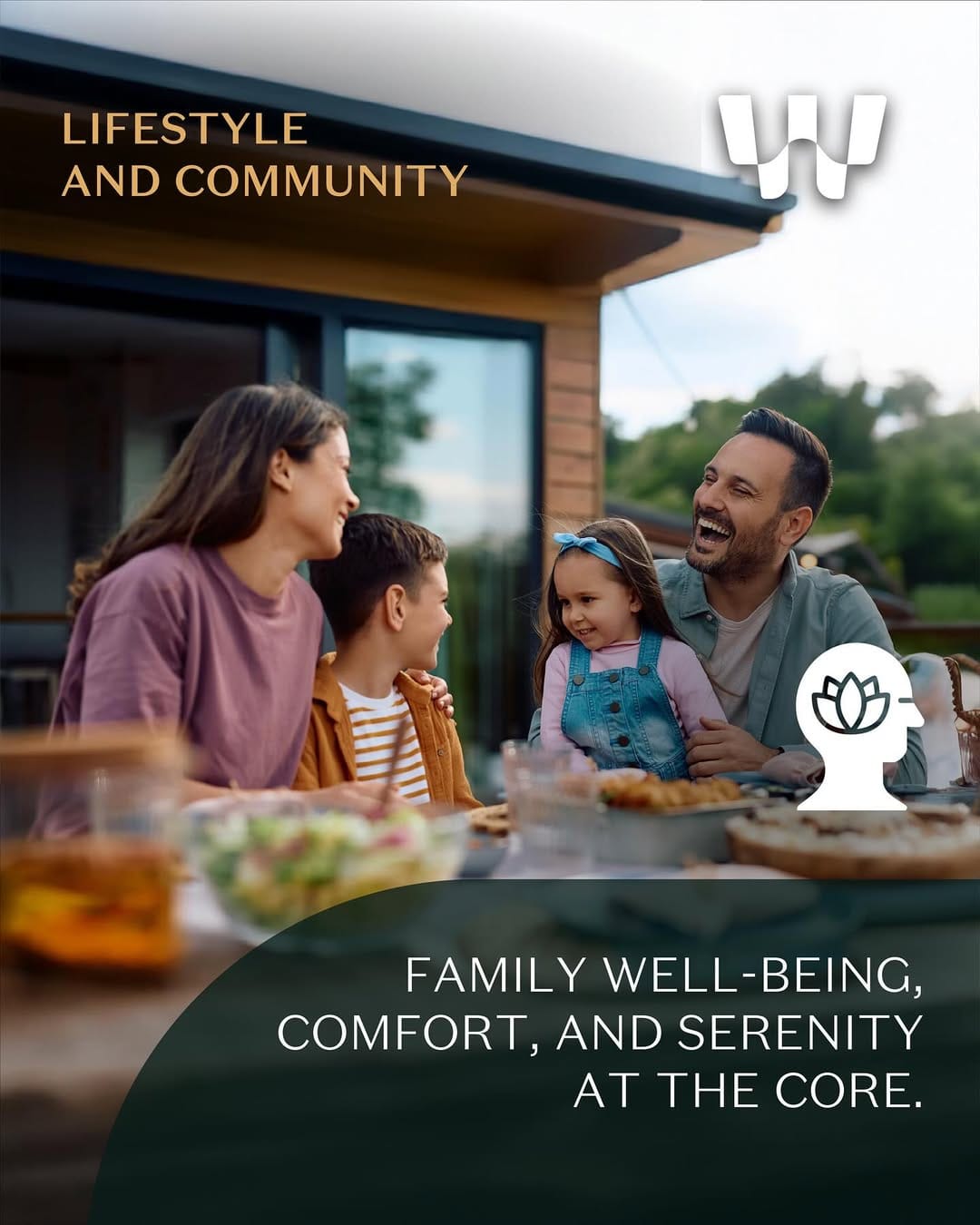
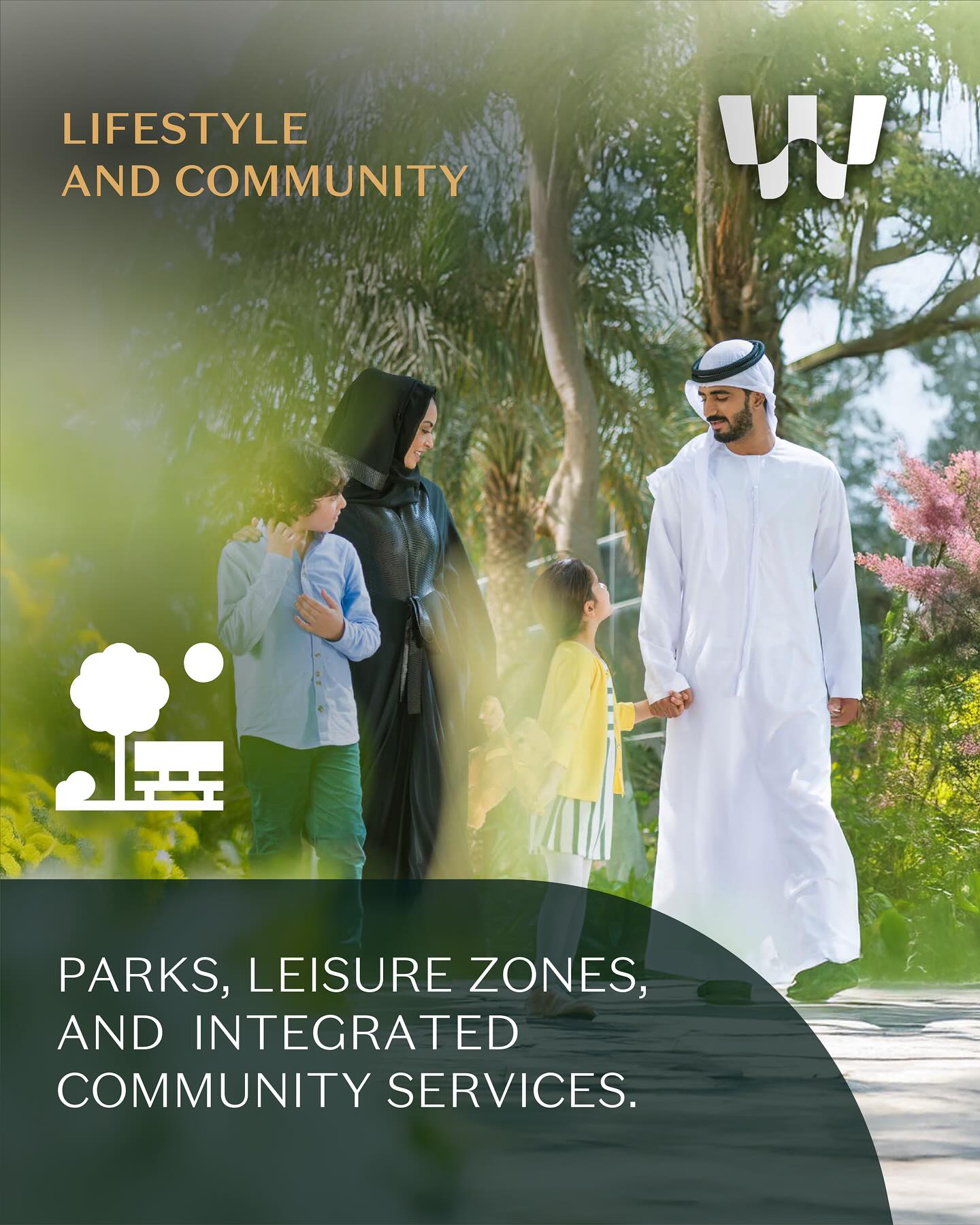
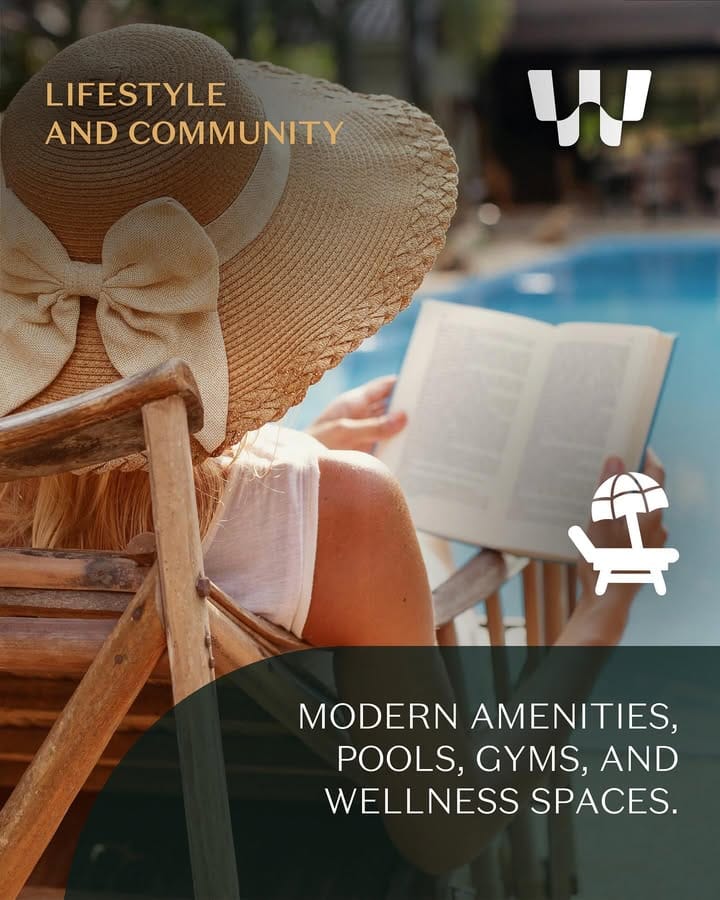
Lifestyle visuals communicate family orientation and shared spaces, allowing buyers to emotionally place themselves in the community.
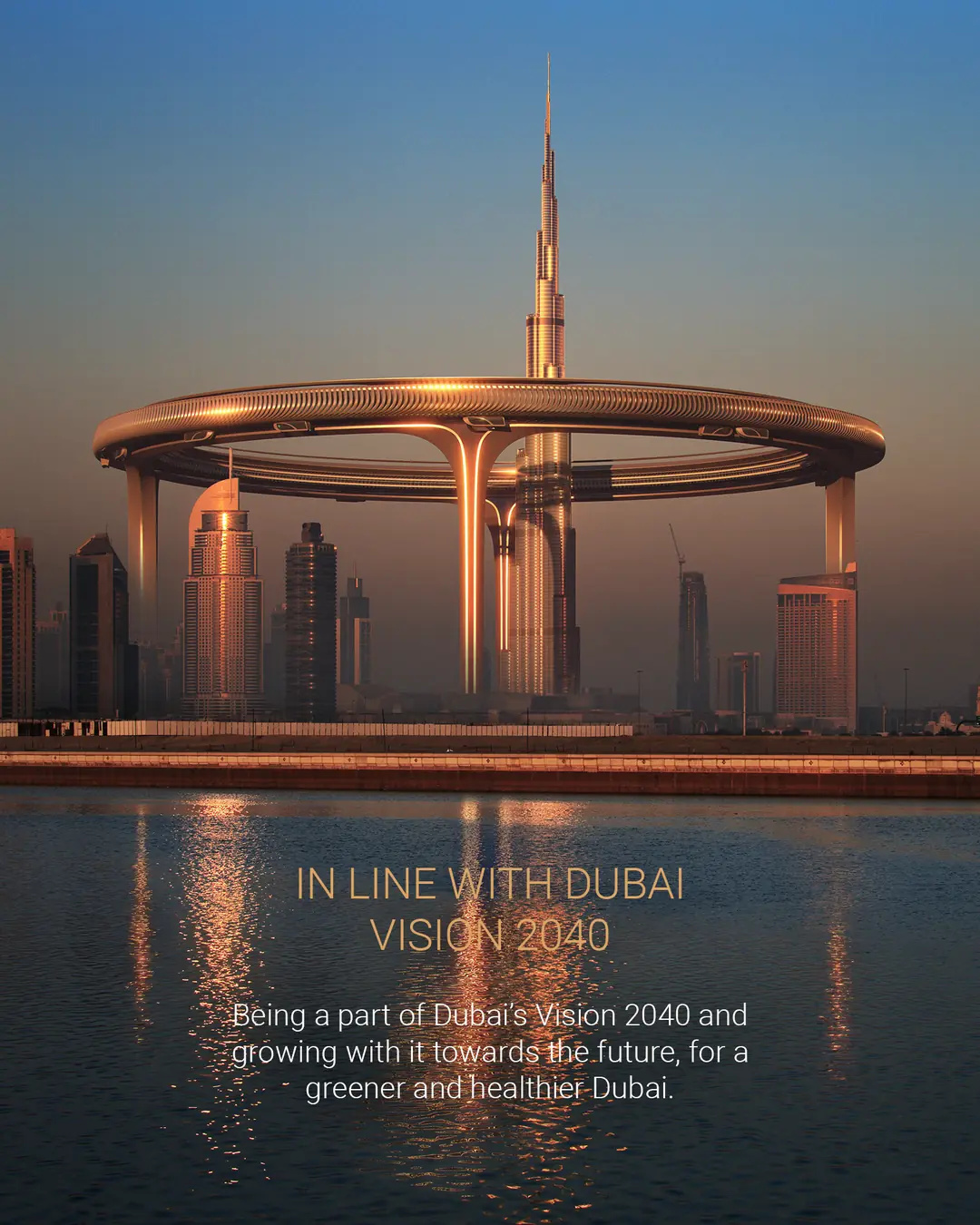
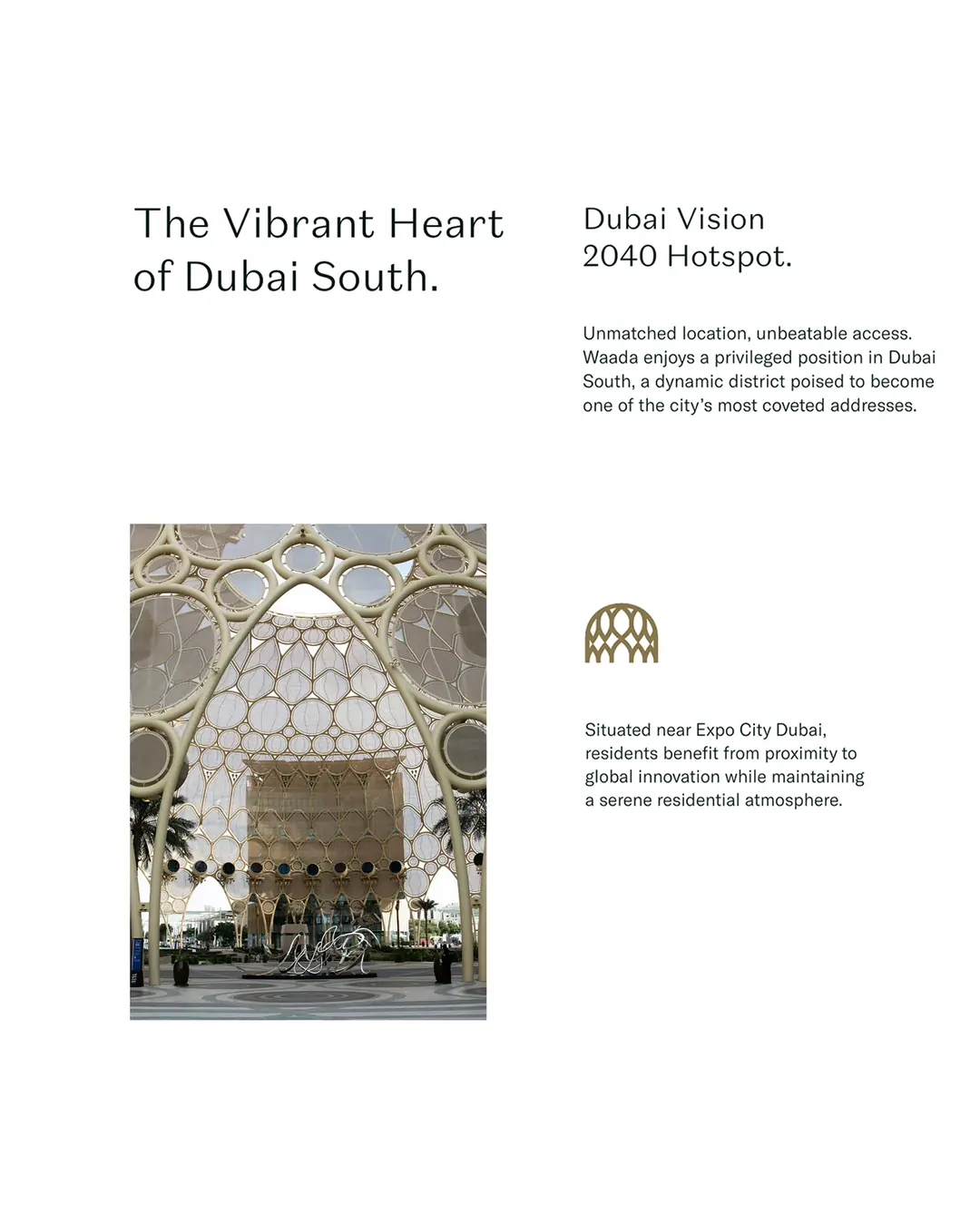
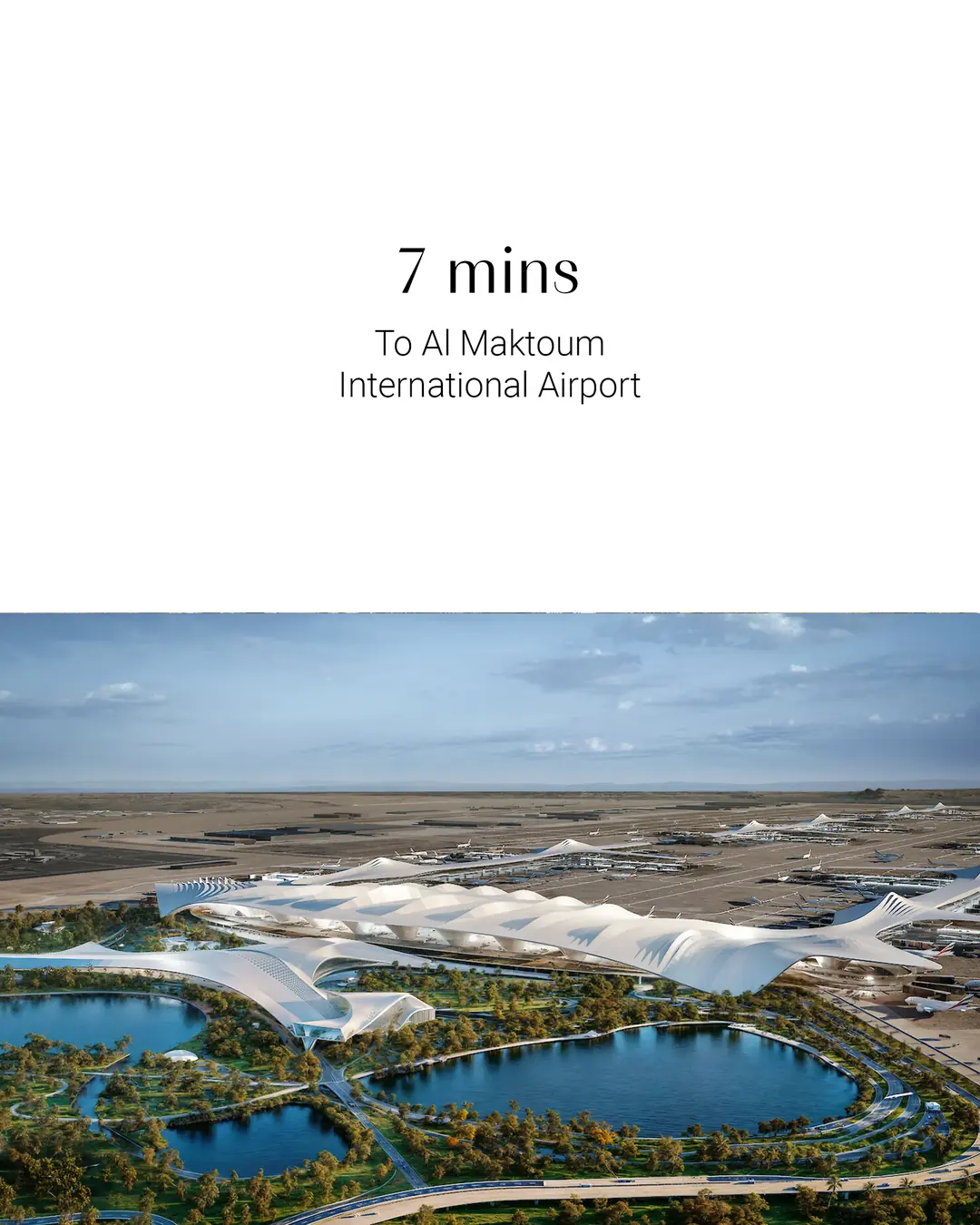
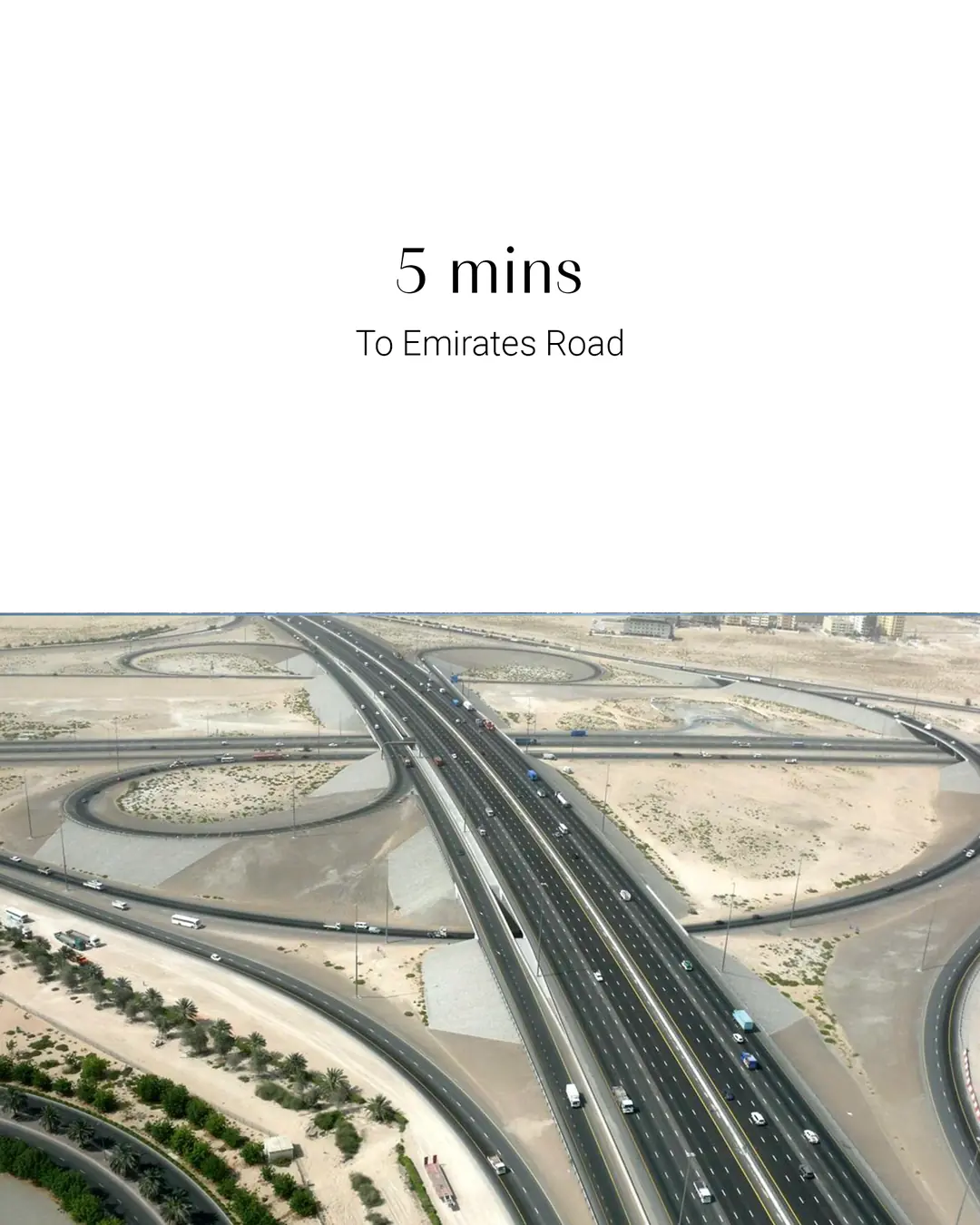
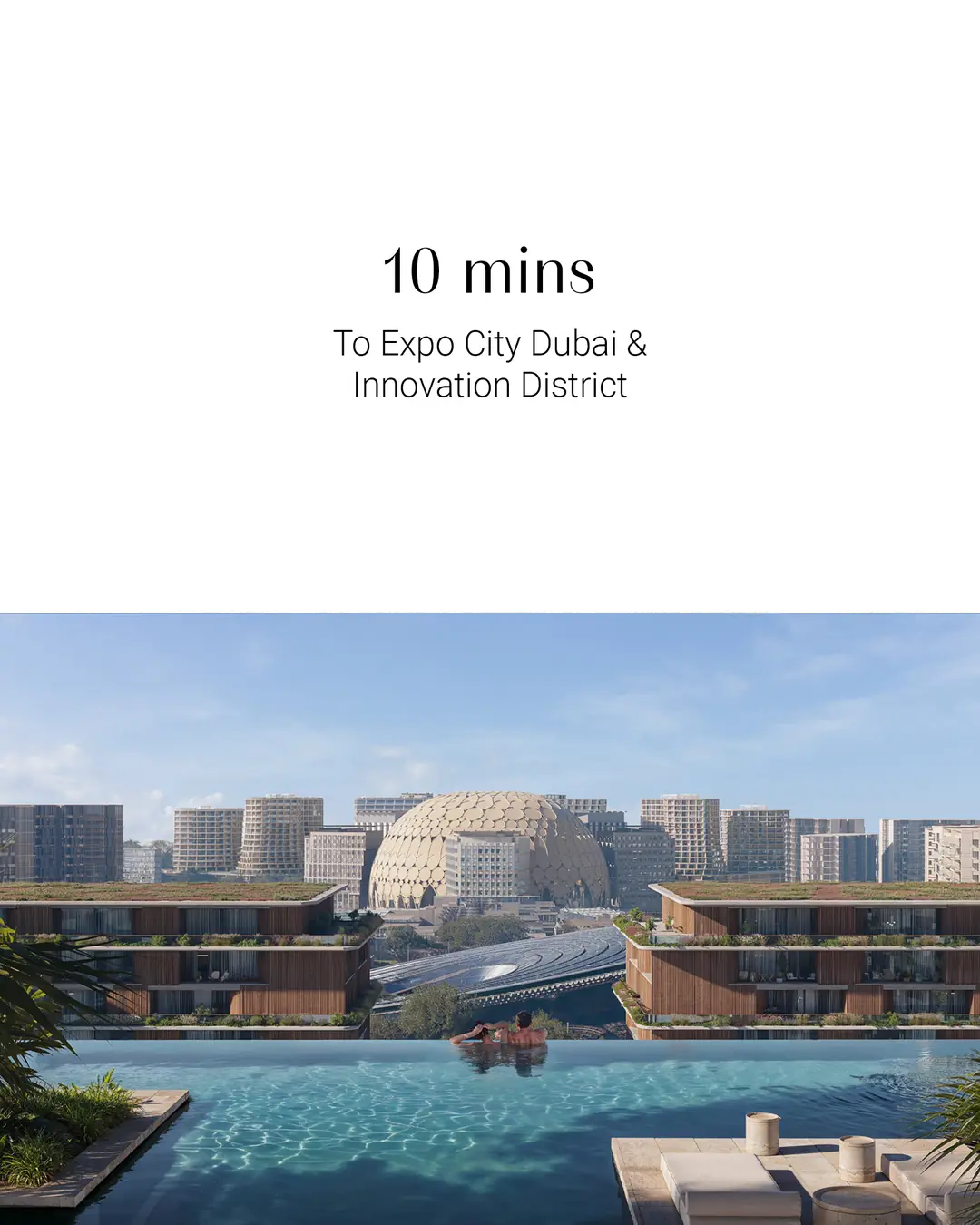
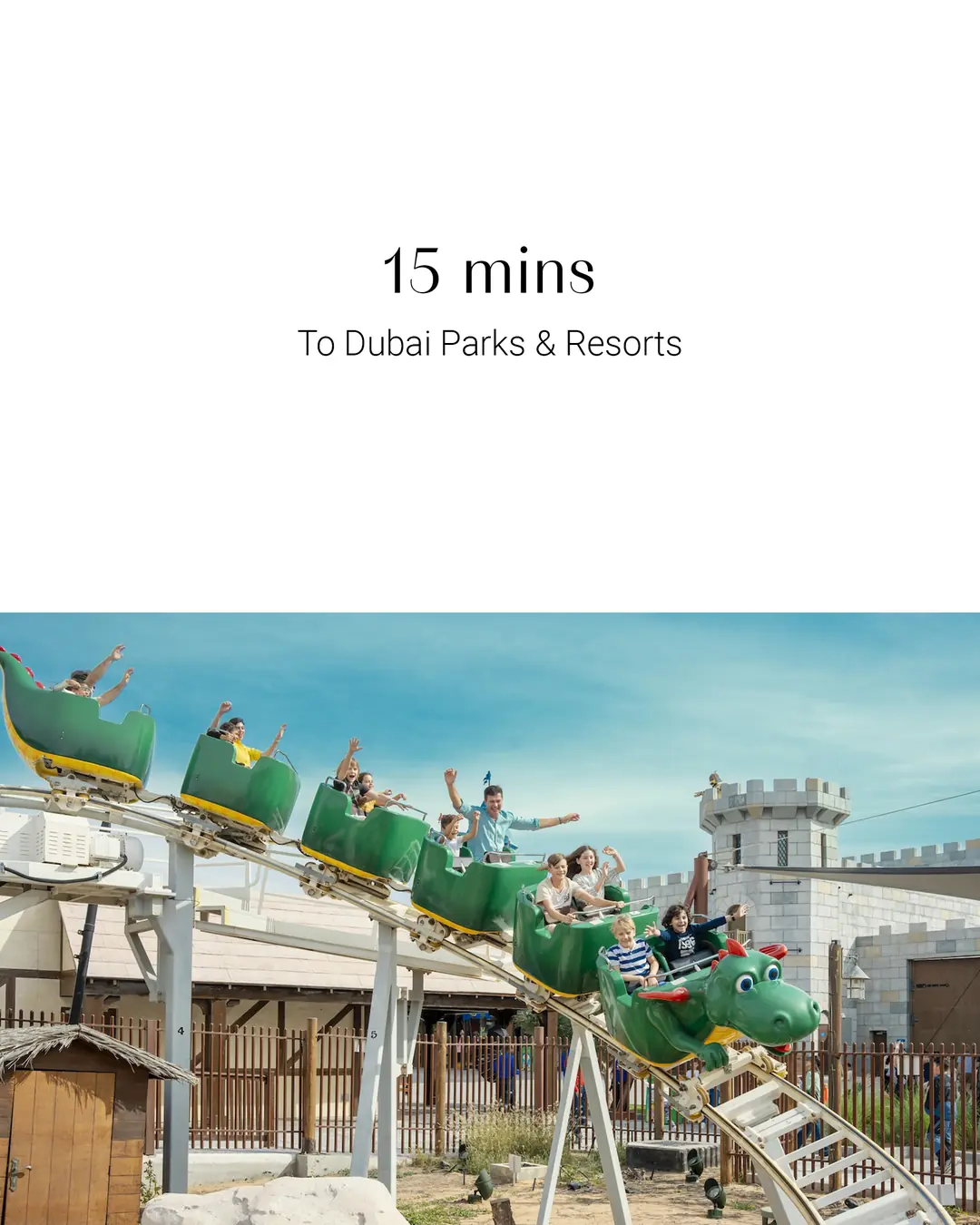
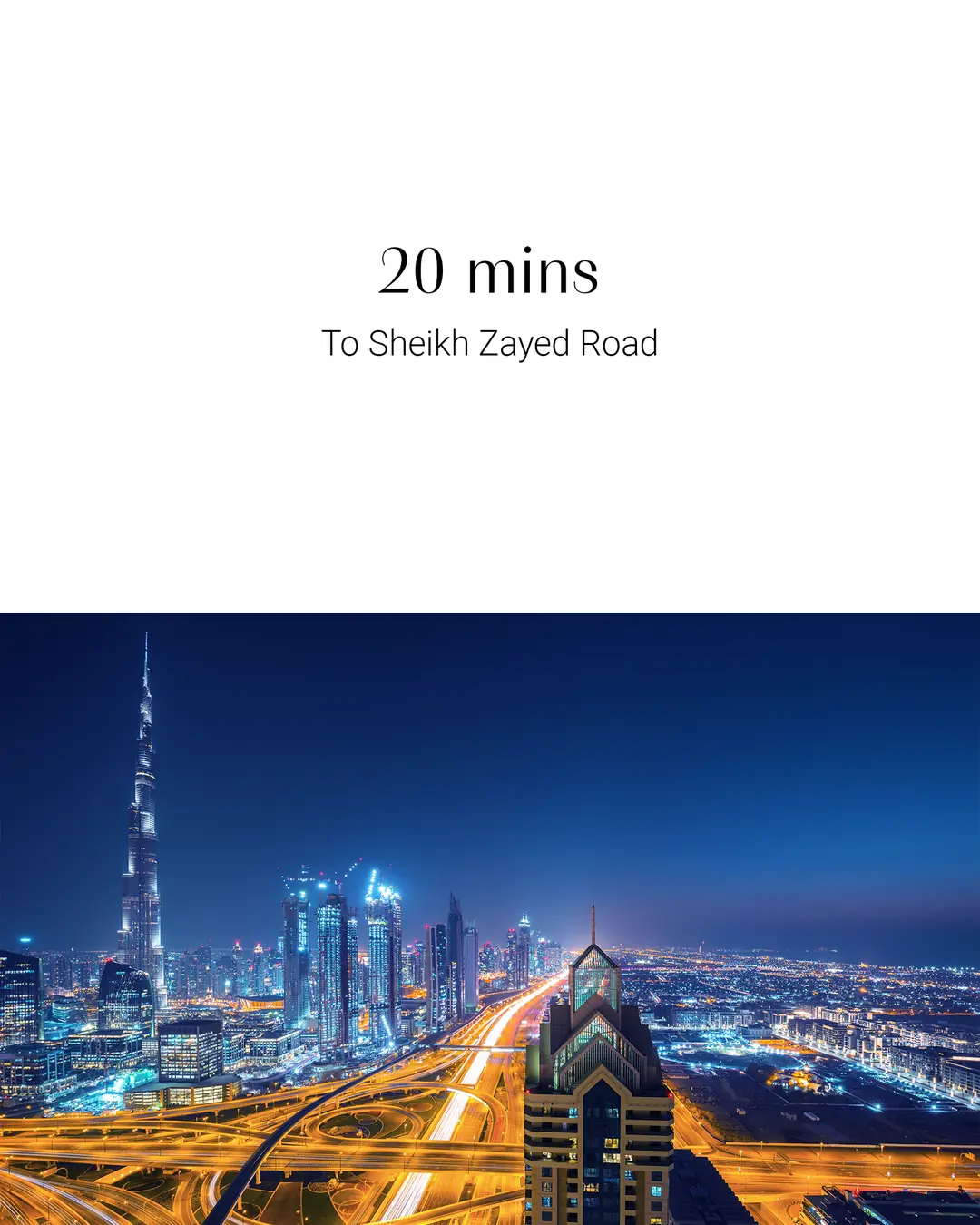
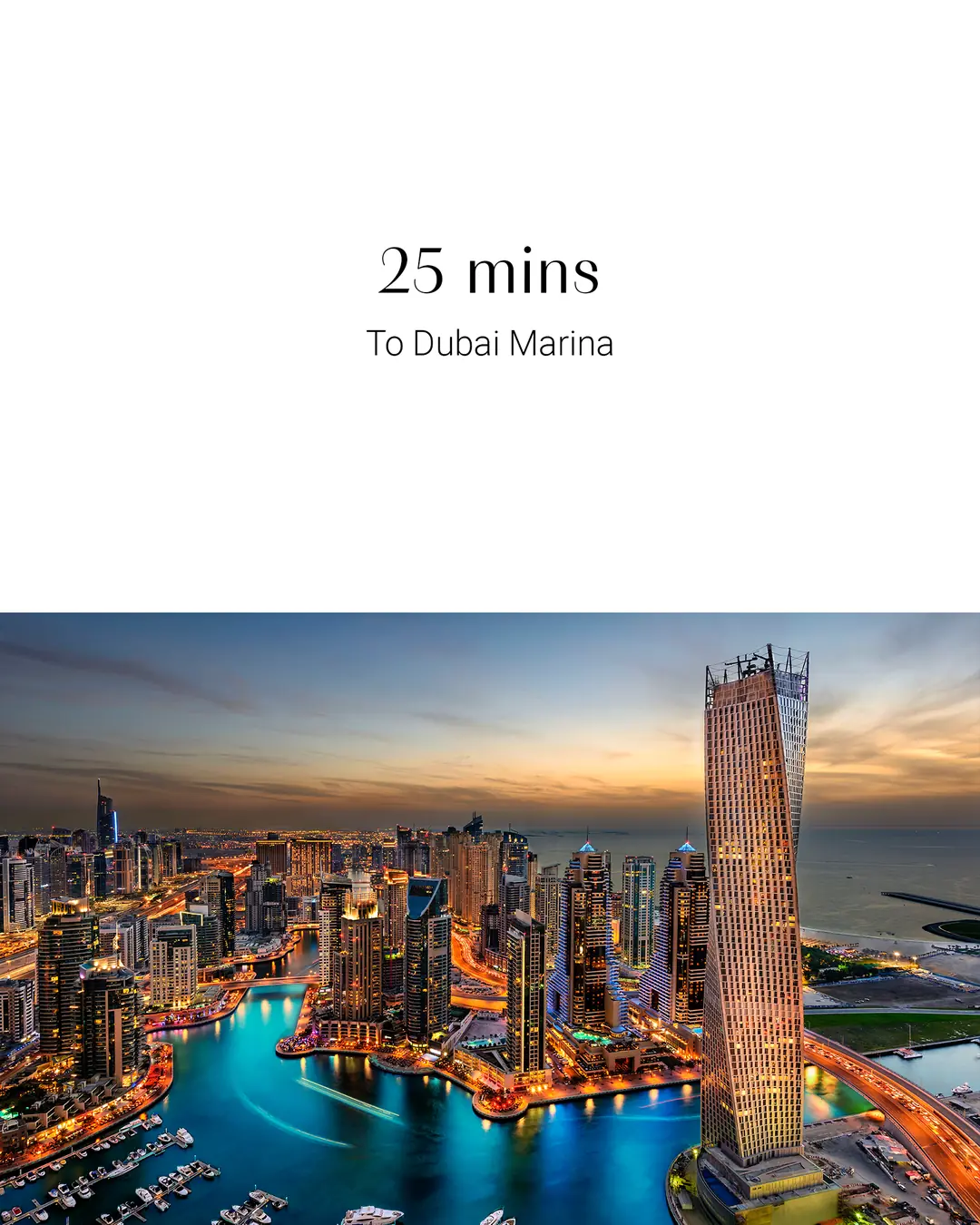
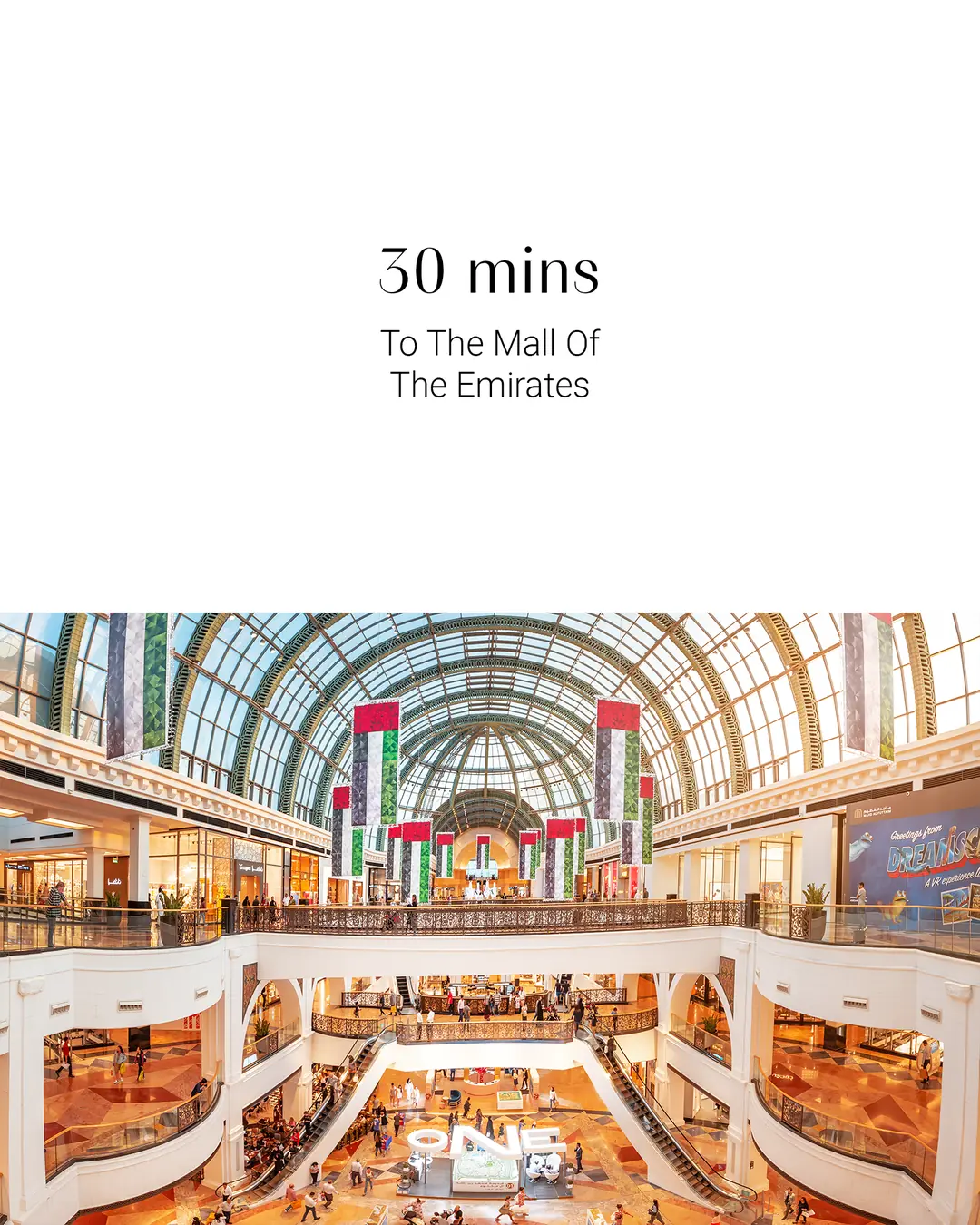
Explains where Waada sits within Dubai South and how it aligns with future mobility, preventing elimination driven by unfamiliarity.
What this demo is showing
This demo shows how existing, complete project information can be sequenced earlier. It does not attempt to present every unit type in full detail or replace brochure depth; those details remain part of later-stage engagement.
Current generic carousel post
Buyers see that a project exists, but struggle to understand the full product and eliminate early during research.
Masterplan-focused carousel
Buyers can understand the project as a whole during research and keep it in consideration before speaking to an agent.
Helps buyers quickly understand differences within the project and against alternatives.
Helps buyers reduce hesitation caused by unknowns.
Helps buyers feel safe engaging further.
Helps buyers confirm fit before shortlisting.
These layers are shown to demonstrate completeness, not to suggest that everything must be done at once. Sequencing and message matters more than volume.
Without the foundation layer, advanced content does not land. With it:
This is how organic content becomes sales drivers.
This is sales enablement in public.
This page is a working demonstration, not a full strategy. It shows direction, clarity, and sequencing. It does not assume execution, timelines, or budgets.

Book a call with our team and we’ll show you the roadmap to lift your brand and revenue through digital strategies.